How to choose the right branding method
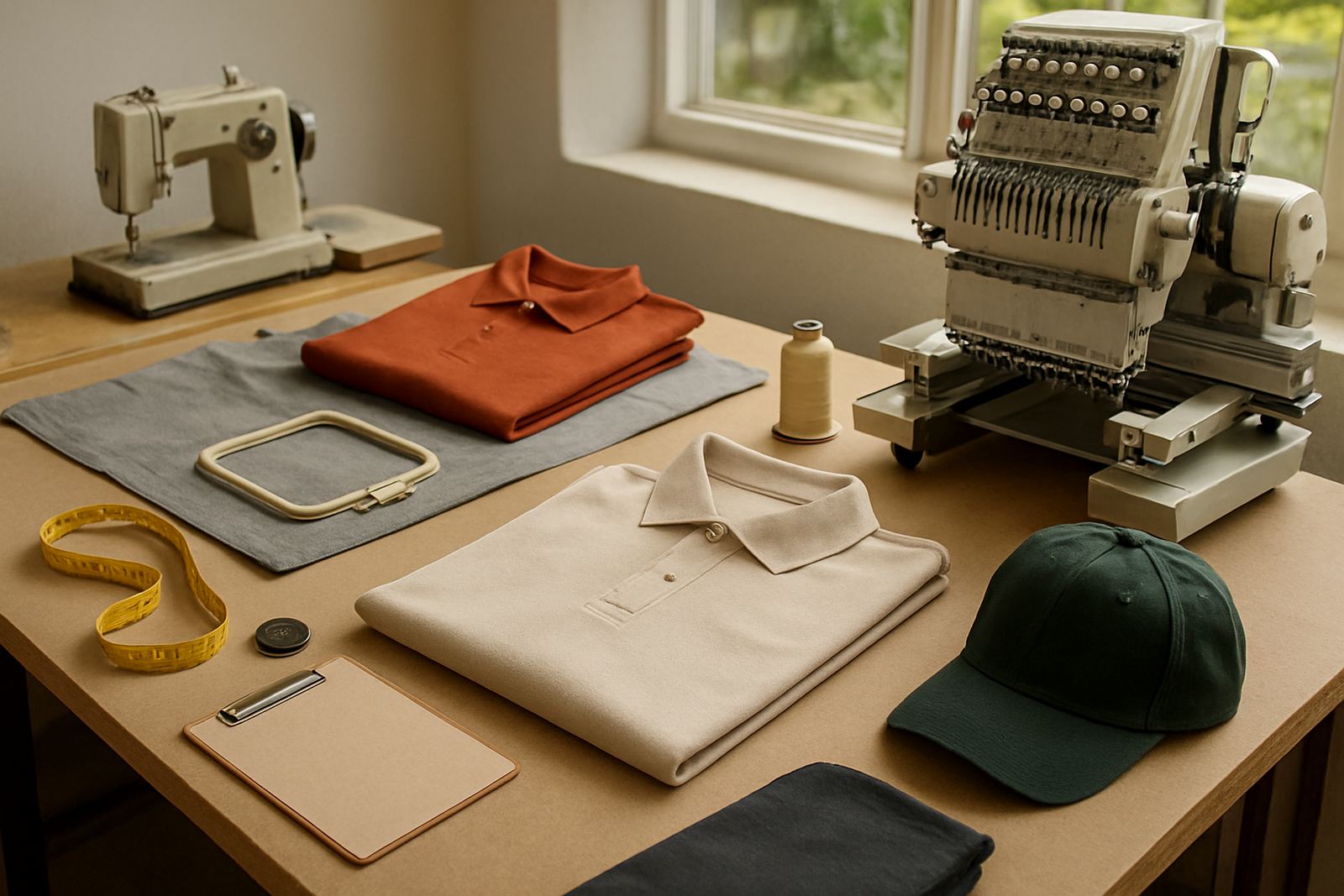
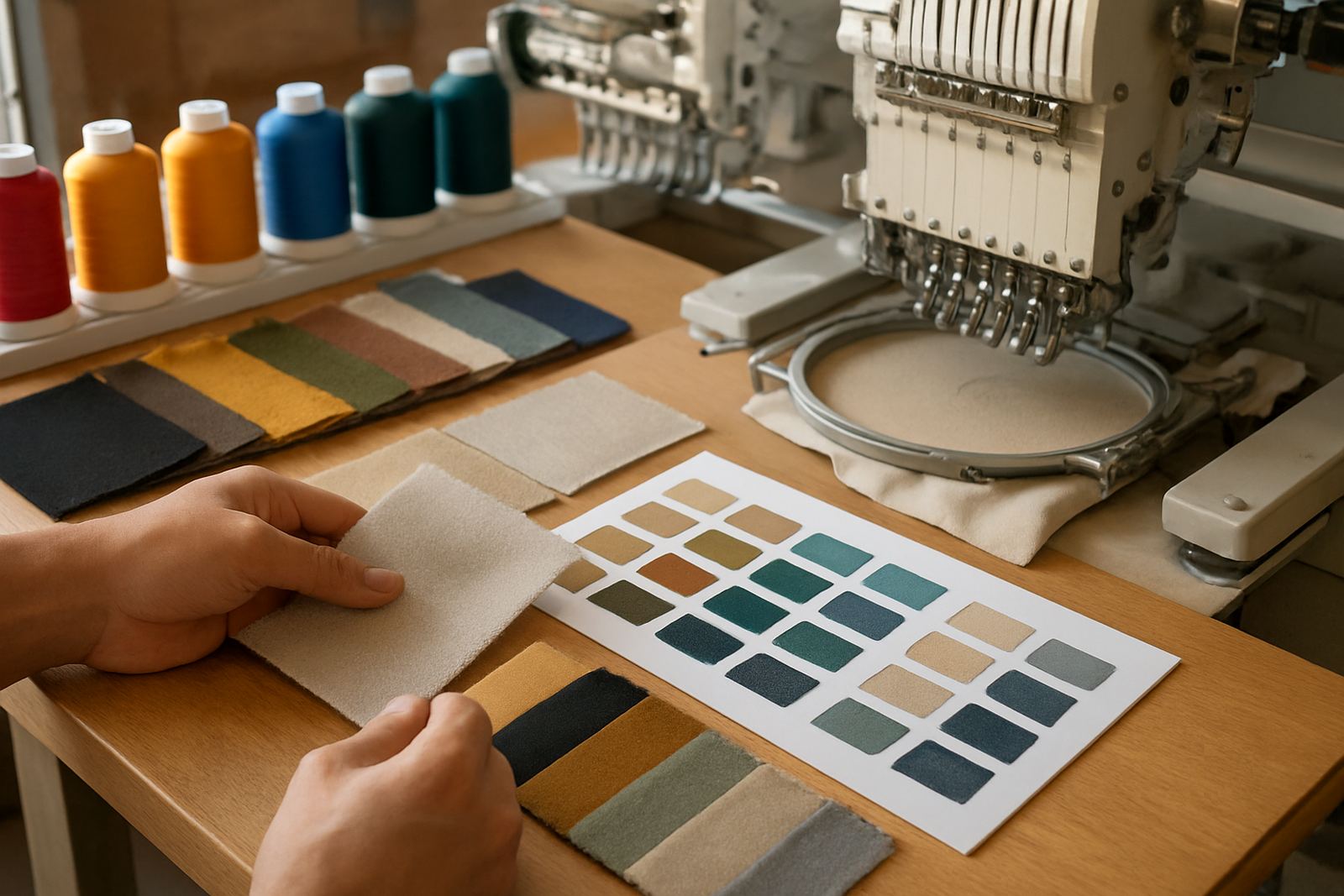
Different items need different decoration methods, and the right choice usually depends on fabric, quantity and how the item will be worn. Embroidery suits golf shirts, corporate wear, caps and heavier fabrics where a stitched finish needs to hold up through regular washing and daily use. Screen printing is often better for larger quantities on tees, bags and event items with bold artwork or flat colour blocks. Heat press printing is useful for smaller runs, names, numbers and faster turnaround work.
If you are ordering for a Durban North office, a school sports day in Westville or a club event in Ballito, think about the item first and the branding second. A good logo on a light woven shirt may need a different setup from the same logo on a cap. We also check whether the artwork has fine detail, small text or colour changes that could affect the final result.
Artwork, logos and approval before production
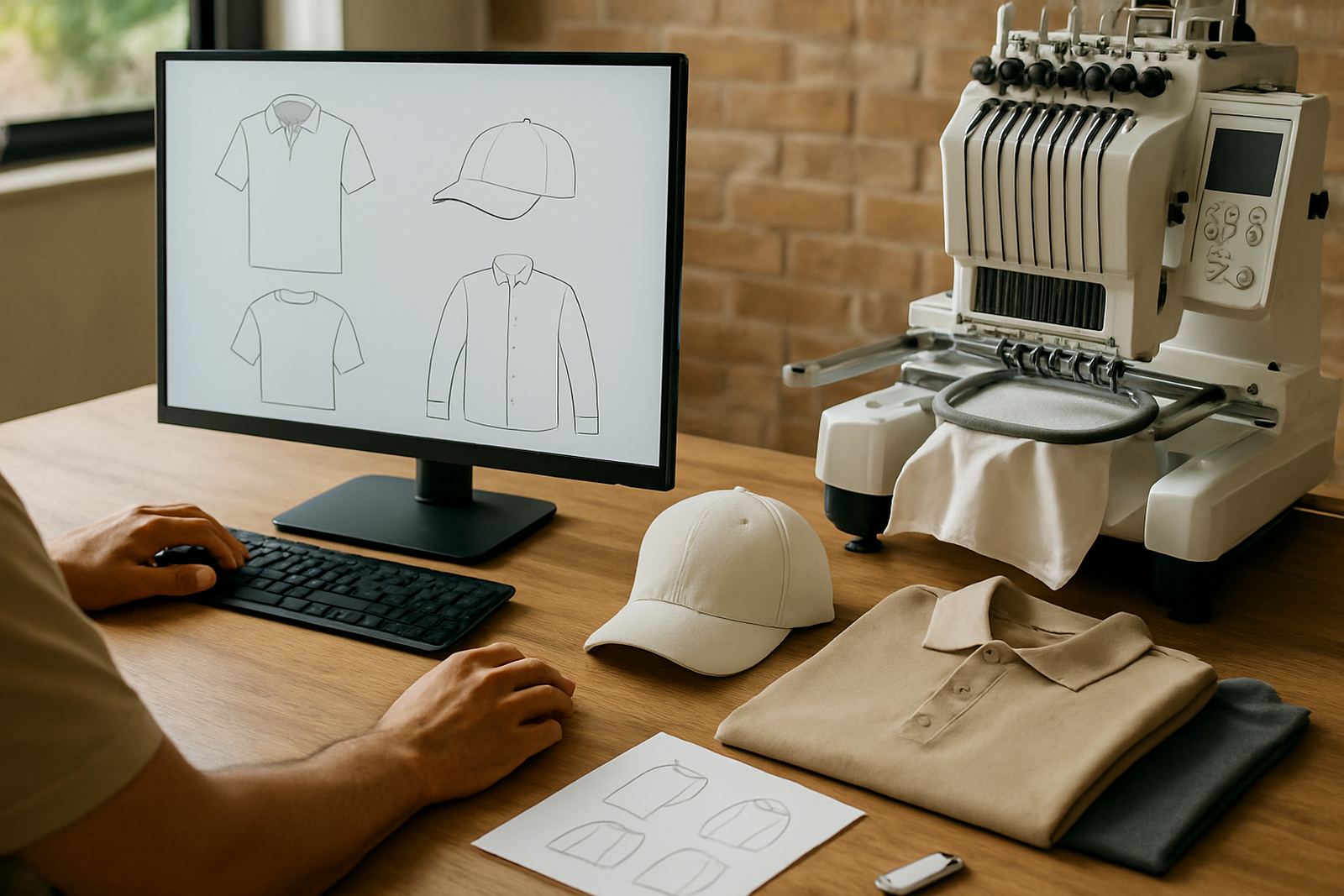
Clear artwork saves time and avoids avoidable rework. Before production, the logo should be checked for spelling, layout, file quality and sizing. If the artwork is not ready for stitching or print, it is usually converted or cleaned up in-house so the final result matches the brief more accurately.
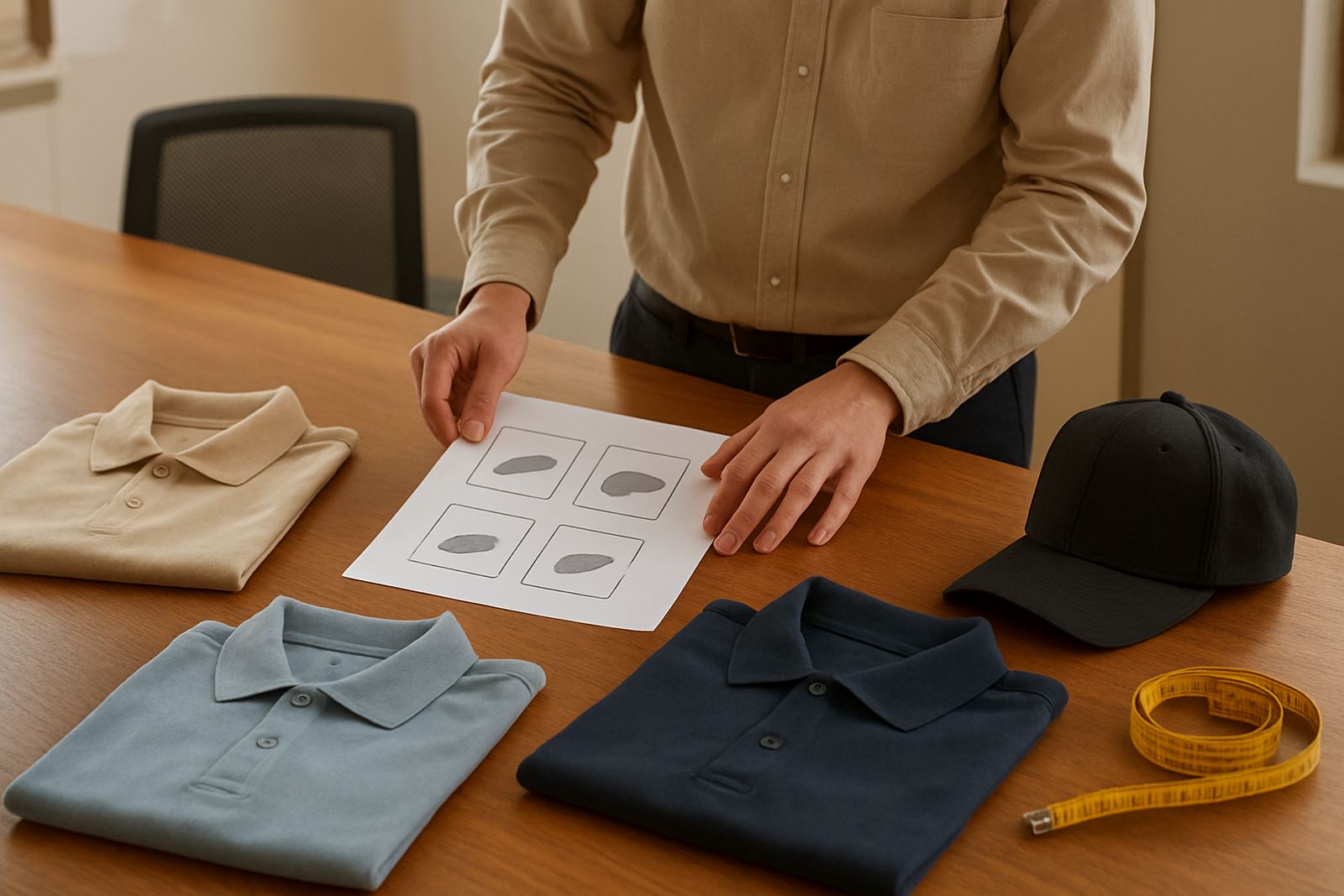
For schools, clubs and businesses, approval is best handled before the first item is made. That matters even more for bulk orders, where a small error can repeat across dozens or hundreds of garments. A simple sign-off step helps with colours, names, positions and placement on left chest, back, sleeve or cap front.
- Confirm spelling, initials and brand names
- Check logo size and placement on the item
- Approve thread or print colour choices
- Ask for a sample run when the order is new or complex
What to know before ordering golf shirts and corporate wear
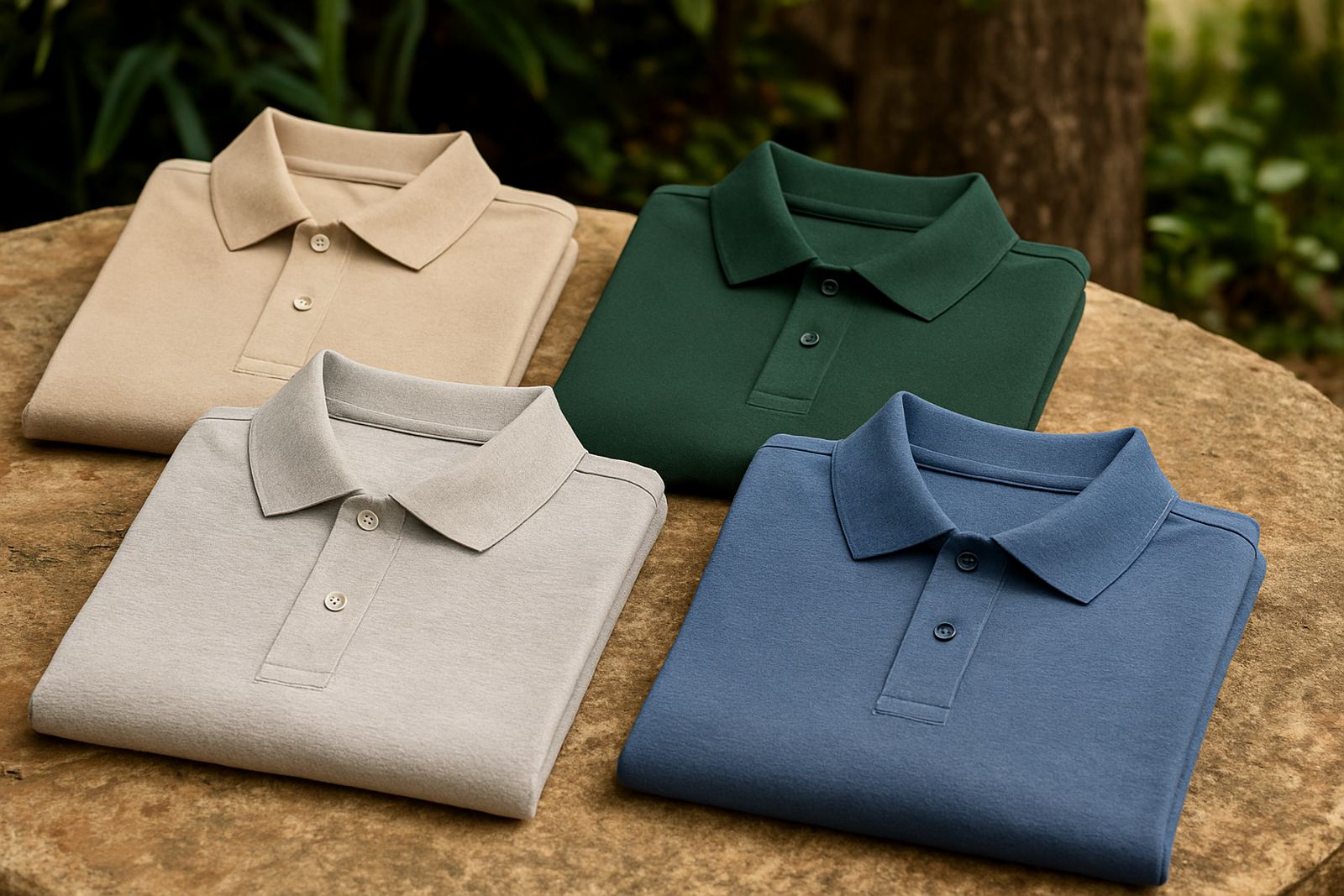
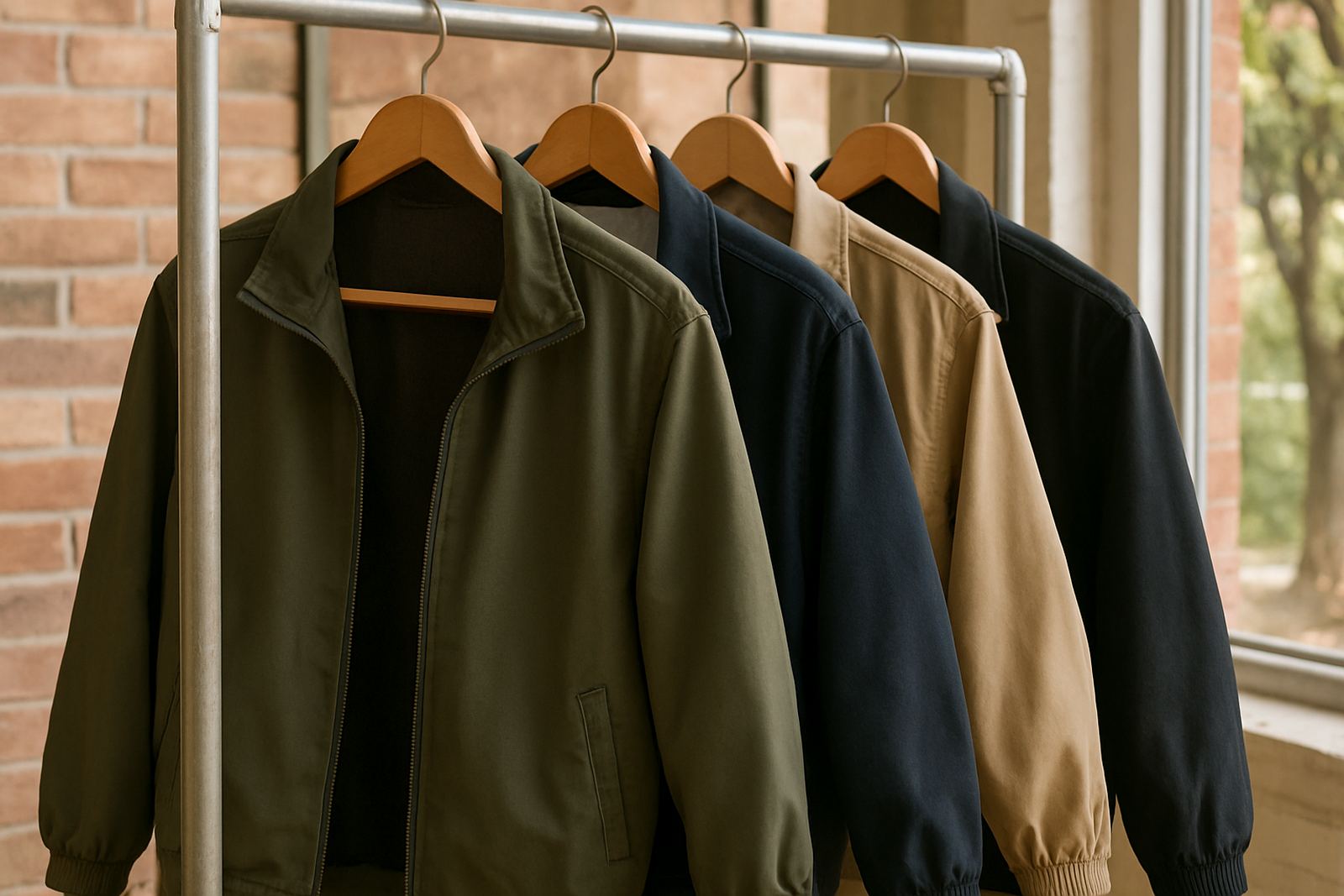
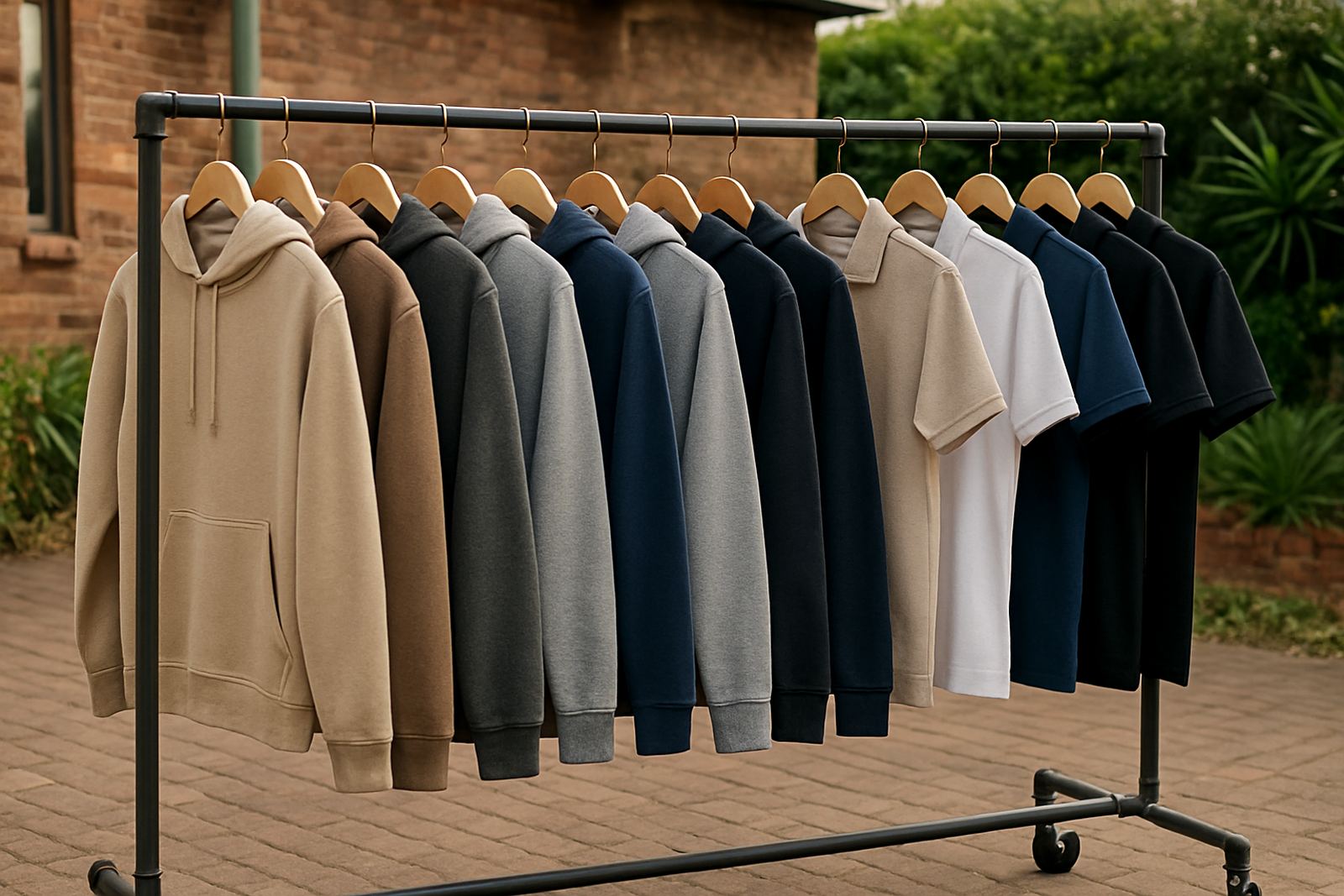
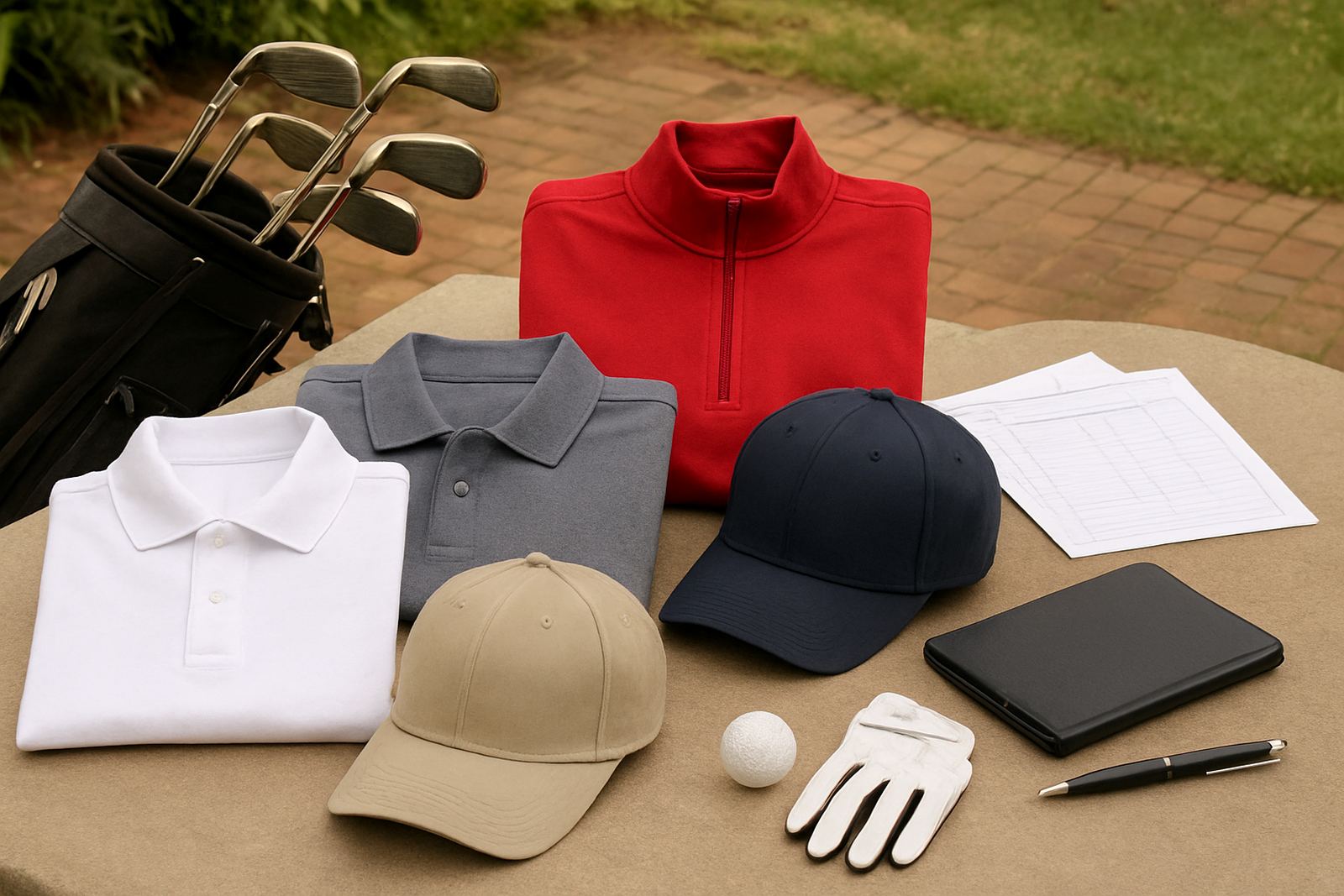
Golf shirts and corporate wear are among the most common orders from eThekwini businesses because they need to look neat, last well and stay comfortable in warm weather. In Durban and the coast, breathable fabrics and correct sizing matter. If the team works outdoors, in warehouses, or in client-facing roles, choose garments that keep shape after repeated washing and still present well in humid conditions.
When planning uniforms, consider how many people need the same item, whether there are different departments, and whether names or job titles are needed. It is also worth confirming the size breakdown early so that the packing is correct for delivery to offices in Umhlanga, Pinetown or Hillcrest.
- Choose fabric weight that suits daily wear
- Decide between stitched logos and printed logos
- Confirm sizing for men’s, ladies’ and youth ranges
- Plan for repeat orders if staff numbers change
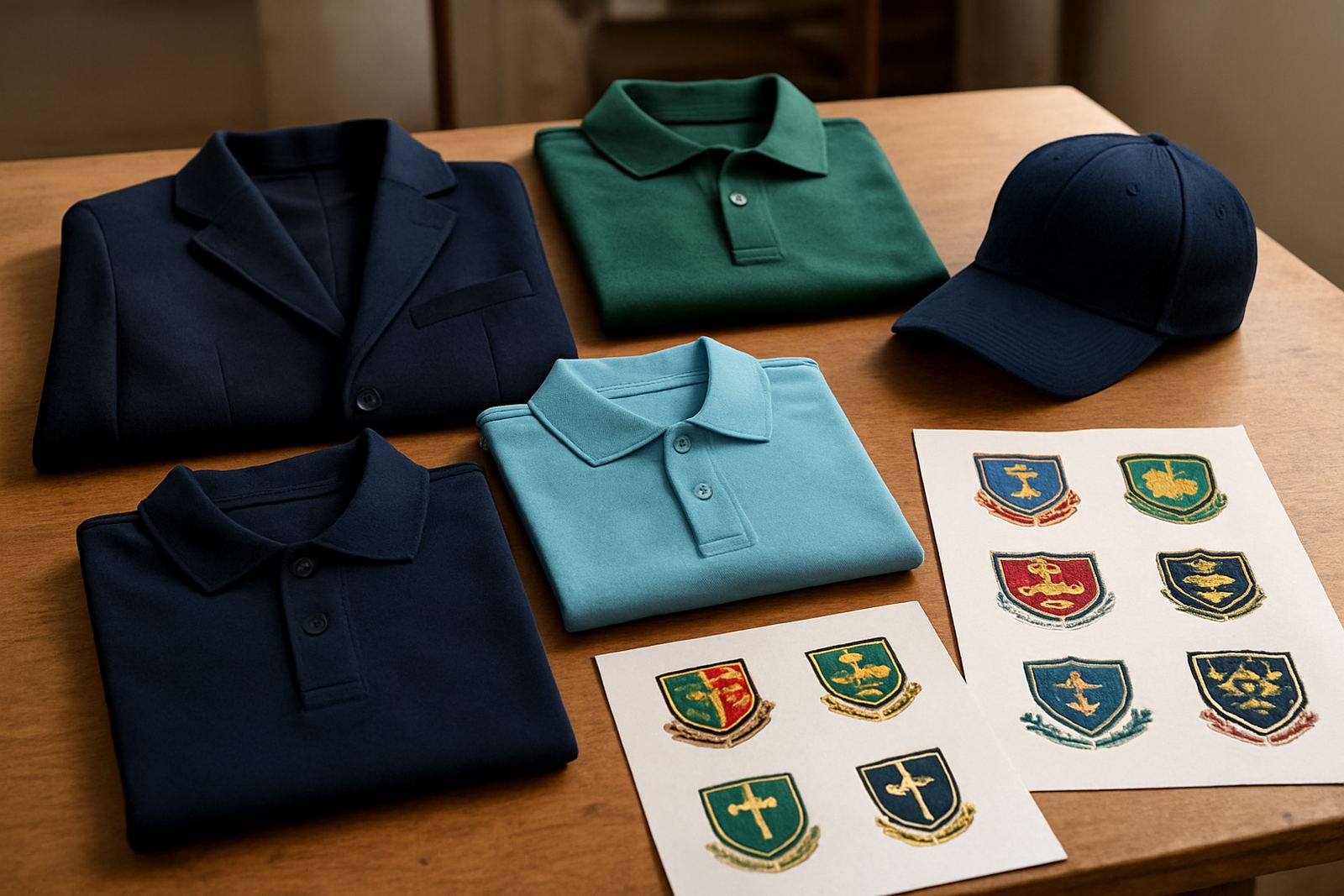
Caps, promo items and school branding basics
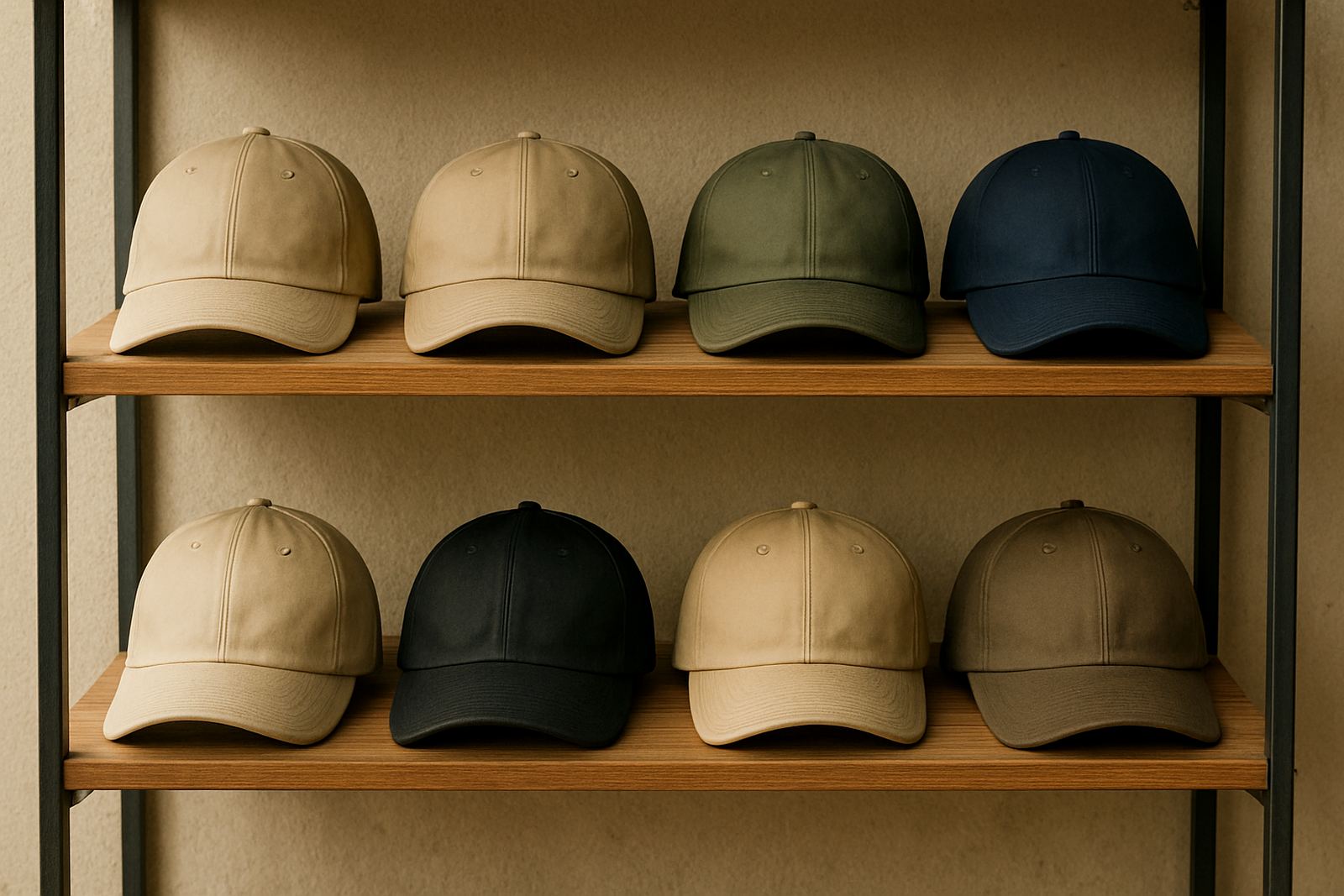
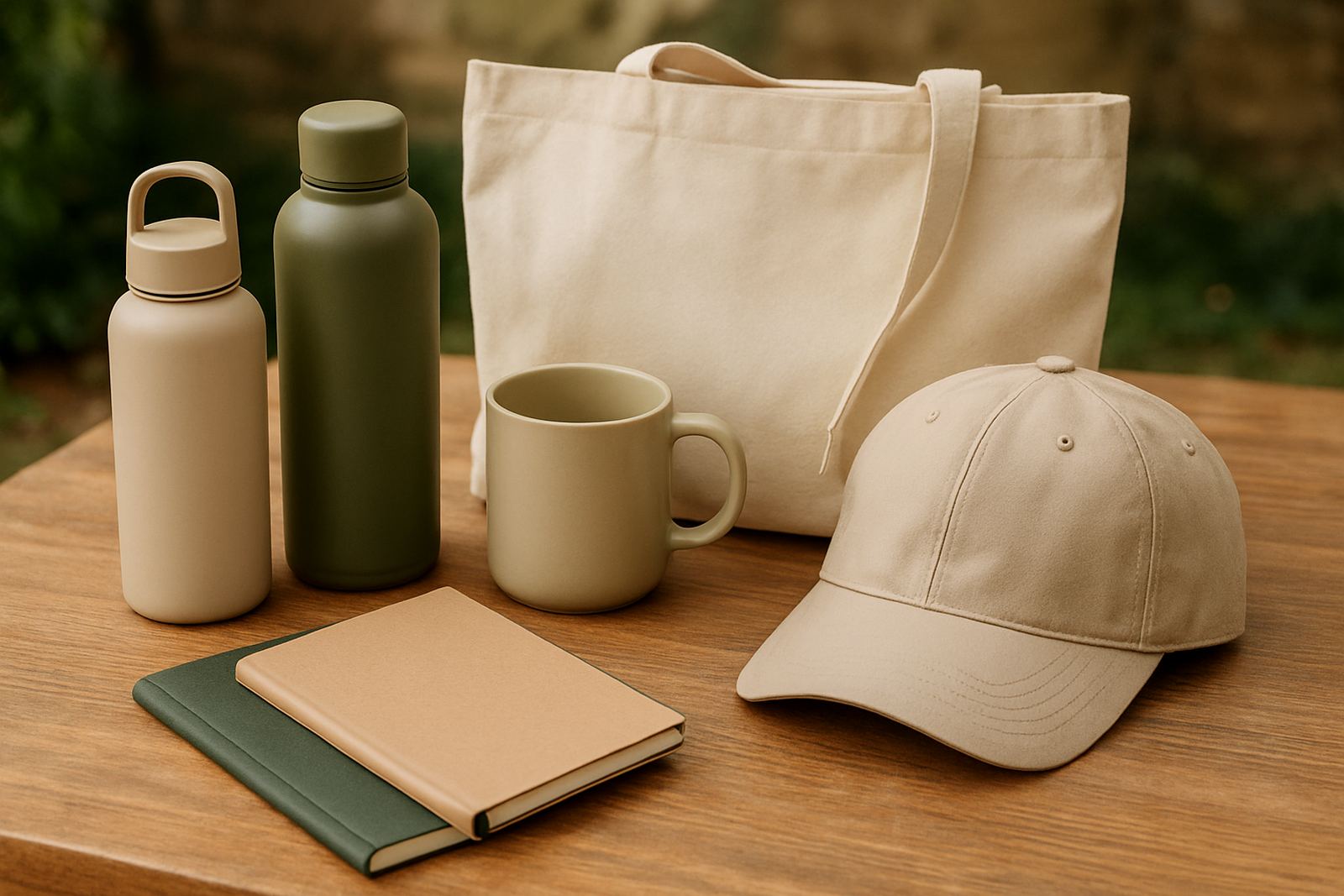
Caps and promotional items need practical planning because the branding area is often smaller than on a shirt. A cap front panel can only carry so much detail before the logo becomes crowded, so simpler artwork usually works best. For promo items such as bottles, bags, notebooks and event giveaways, the material and the print area matter just as much as the logo itself.
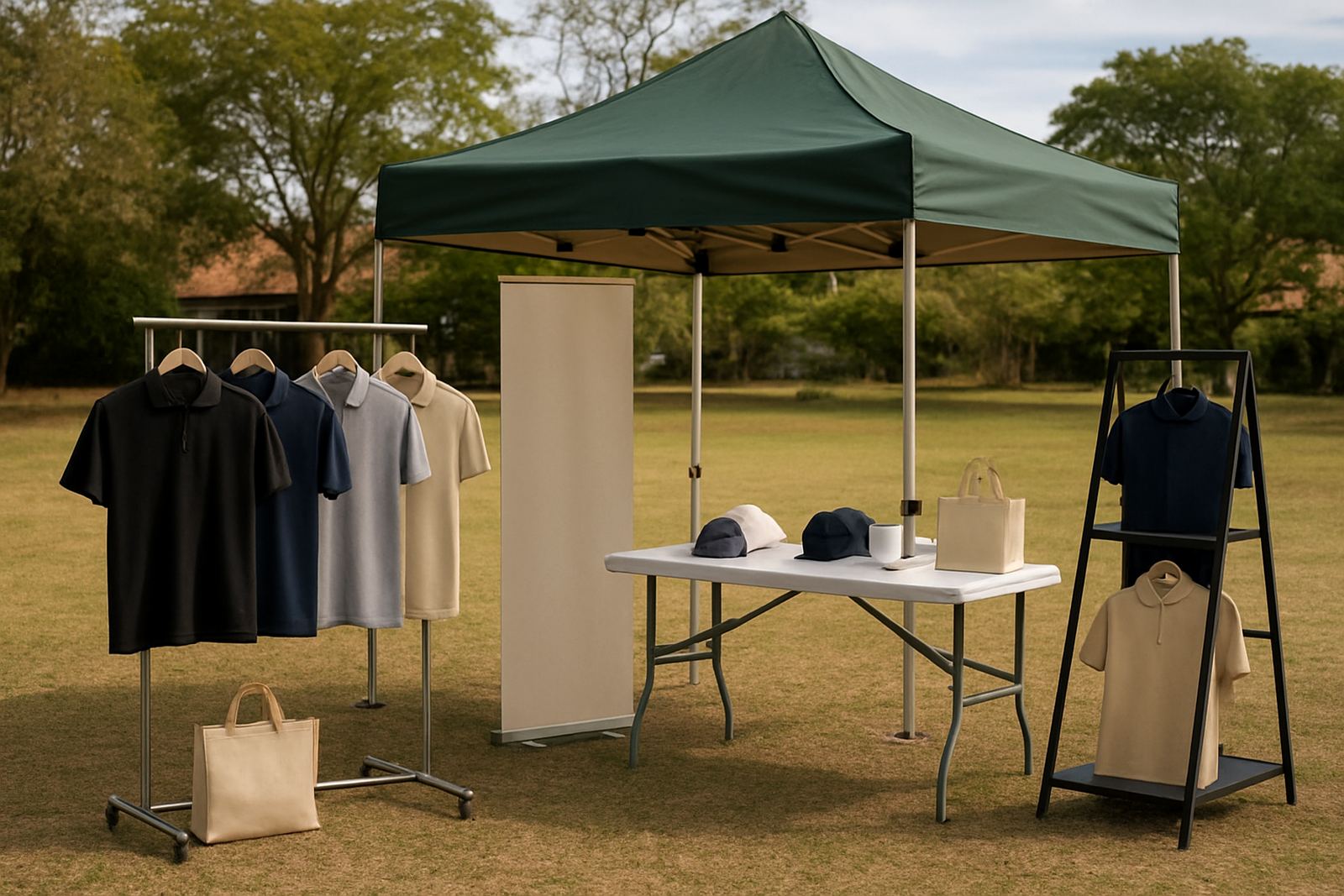
Schools and clubs often need item sets for fundraisers, tours, sports days and prize giving. In those cases, a matching pack can be more useful than ordering one item at a time. We also check whether the item is suitable for the intended use, because a giveaway item for a one-day event is not the same as a staff uniform that gets worn every week.
Rush orders, sample runs and bulk orders
Not every order follows a long lead time. Sometimes a launch, match, expo or school function comes up quickly, and a 24-hour turnaround may be needed if the artwork and stock are ready. Rush work depends on the item type, quantity and approval stage, so the fastest orders are usually the ones with clear instructions from the start.
For larger runs, a sample run can help confirm colour, placement and finish before the full order goes ahead. That is especially useful for repeat branding, new staff packs or club apparel where consistency matters across multiple boxes. Bulk orders also need practical packing, labels and delivery planning so everything arrives sorted and on time.
- Rush orders work best with final artwork already approved
- Sample runs help reduce mistakes on full production
- Bulk orders need accurate size lists and contact details
- Packing can be arranged for multiple branches or teams
How Durban buyers can plan a smoother order
A good order starts with a simple brief: what item you need, how many, where the logo must go and when you need it. If you are ordering from La Lucia, Mount Edgecombe or further into the north coast, planning a bit early helps with stock, approvals and delivery timing. It also gives enough room to sort out artwork fixes or garment substitutions if the first choice is not available.
For businesses, clubs and schools across Durban North and wider eThekwini, the clearest orders are the quickest to finish. Keep the item list, sizes and branding details in one place, then submit the enquiry form with as much detail as possible. That makes it easier to move from quote to production without delays, and it keeps the final result aligned with what was requested.
- Send the item type, quantity and deadline together
- Include size ratios for each garment or pack
- State whether you want embroidery, print or both
- Ask about delivery to your area if you have a fixed handover date