
Start With the Wearer, Not the Logo
The best cap is the one people will actually wear. For staff uniforms, schools, sports clubs and promotional handouts, think about age group, climate, use and how long the cap needs to last. A cap for a golf day in Umhlanga will not need the same finish as a cap for warehouse staff in Pinetown or a school group in Ballito.
Begin by asking three simple questions: who is wearing it, where will it be worn, and how often will it be washed or used in the sun. In Durban North and along the coast, heat and humidity matter. A light cap with breathable panels can feel better for daily use, while a structured cap can suit a more formal corporate look.
Also think about stock control. If you need more caps later, keep the style consistent so your team looks uniform. It helps to decide early on the colour, closure type and logo placement before placing a bulk order.
Choose the Right Cap Shape for the Job
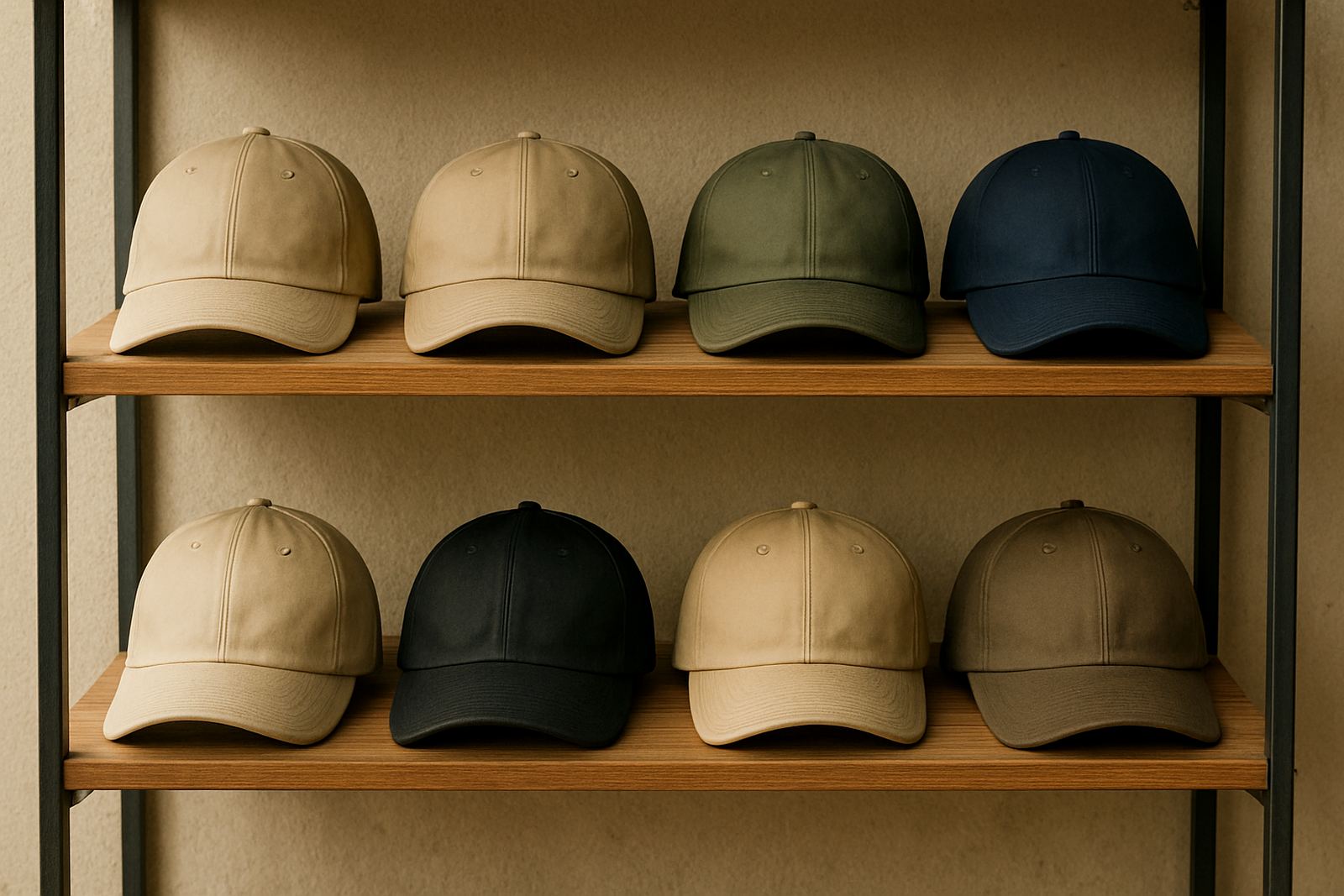
Cap shape affects comfort, fit and how your branding sits on the front. A structured cap holds its shape well and gives a neat, professional look for corporate wear. An unstructured cap has a softer feel and can suit casual promotions, outdoor events and younger groups.
Peak shape matters too. A curved peak is the most common choice for day-to-day wear and outdoor use because it shades the face well. A flat peak creates a bolder look and is often chosen for fashion-led promotions or sports clubs wanting a more modern feel. If the cap is for schools or company staff, a curved peak is usually the safer choice.
For hot coastal areas and long wear, look for panels that allow some airflow. If the cap will be worn around vehicles, on construction sites or during delivery runs, comfort is just as important as appearance. A cap that sits well on the head gets worn more often, which means better brand exposure.
Pick a Closure That Fits Your Team
The closure is one of the most practical choices in the buying process. It affects fit, comfort and whether one cap can work for many head sizes. For promotions and mixed groups, an adjustable closure is usually the most useful option. It helps when caps are handed out at events and you need a one-size-fits-most approach.
Here is a simple checklist to help you decide:
- Choose an adjustable closure for mixed sizes, giveaways and general promotions.
- Choose a fitted style if you want a more tailored feel and have exact size requirements.
- Choose a closure that can handle daily use if the cap will be worn by staff or learners.
- Check that the back adjustment is comfortable with hair styles, braids or ponytails.
- Make sure the closure is suitable for the heat and humidity your team works in.
If your caps will be used in the field, on site or during school sport, a simple and durable closure tends to work best. Ask for a sample run if you are unsure, especially when ordering for different age groups or departments.
Decide Where Your Branding Should Go
The front of the cap is the main branding area, but it is not the only one. Your logo can also be placed on the side or back, depending on the cap style and the look you want. Front branding gives the strongest first impression, while side branding can work well for smaller logos, department names or sponsor details.
If you want the logo to stay clearly visible from a distance, keep the artwork simple. Fine text and tiny details do not always read well on curved surfaces. Bold lettering, solid shapes and clear spacing are easier to embroider or print neatly. This is especially useful for caps used at outdoor events, school functions and trade stands across eThekwini.
Consider the size of the branding area before approving artwork. A small logo on a low crown cap may need simplification, while a larger front panel can handle more detail. If you need a professional finish, ask for artwork checks before production so the logo fits the cap properly.
Embroidery or Print: What Works Best on Caps
Embroidery is the most common choice for caps because it gives a raised finish and holds up well over time. It suits company logos, club crests and school names. Printed branding can also work well for certain designs, especially where colour detail or a softer finish is needed. The best option depends on the logo, quantity and intended use.
Use this quick guide when deciding:
- Choose embroidery for a premium feel and long lasting wear.
- Choose print for full colour designs, fine detail or fast promotional jobs.
- Use embroidery when the cap will be washed often or used outdoors.
- Use print when you need a lighter finish or a design with gradients.
- Keep in mind that very small text may need to be simplified for either method.
For bulk orders, embroidery can be very practical because it stays neat on repeat orders. For rush orders or short campaign runs, printing may suit the timeline better. A sample helps you judge how the final result will look in real use, not just on paper.
Order Smart for Schools, Clubs and Businesses
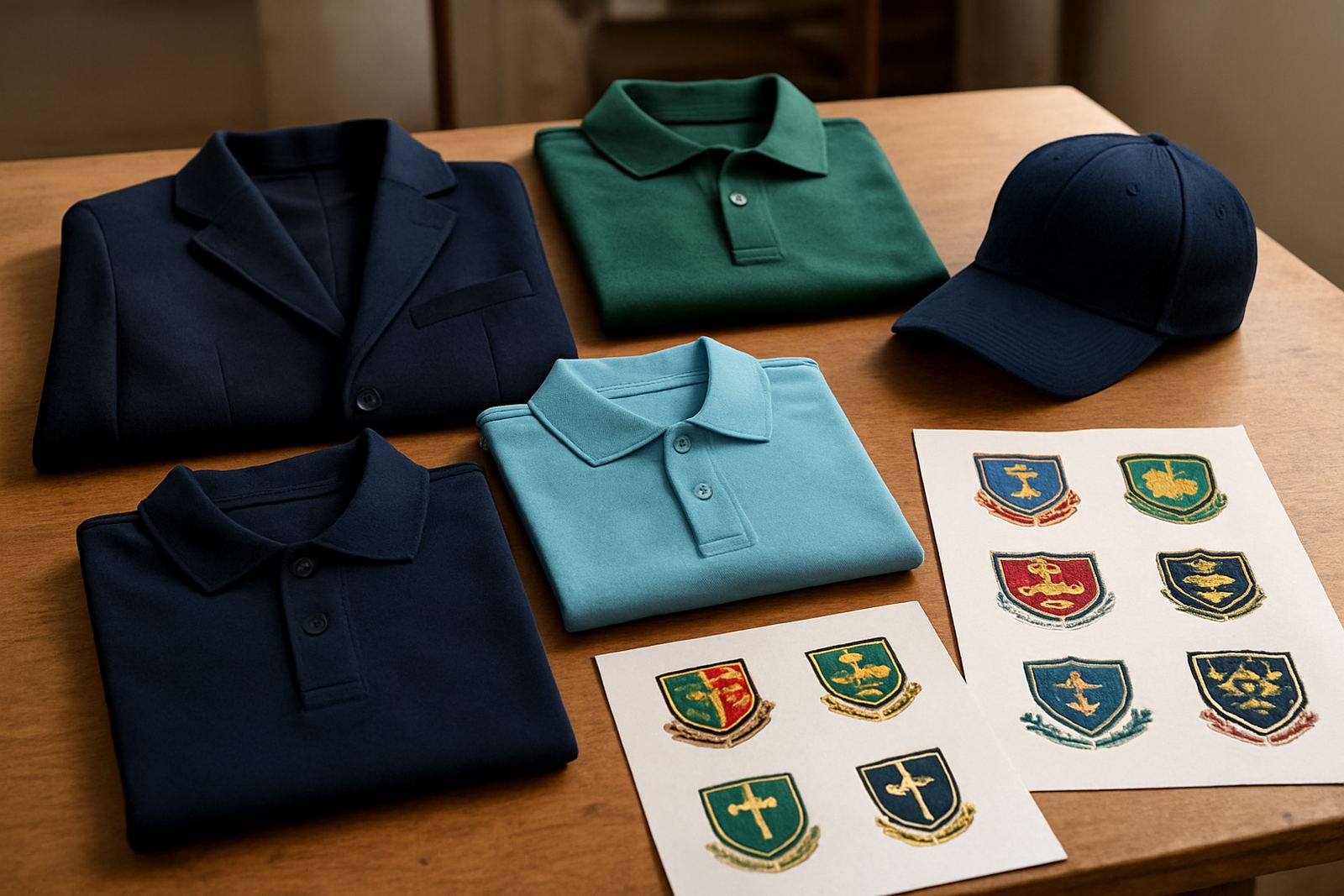
Different groups need different buying habits. A school may need caps in set colours for learners and staff, while a sports club may want a small run with names or numbers. A business may need matching caps for reception, sales teams and site staff. The key is to plan around use, budget and turnaround time.
Before placing the order, run through this final checklist:
- Confirm cap colour, shape and closure type.
- Check logo position, size and the branding method.
- Approve artwork and spelling carefully.
- Decide whether you need sample runs or a bulk order.
- Allow time for packing and delivery to your branch or event site.
- Ask about rush orders if your launch or event is close.
In Durban North and surrounding areas such as Umhlanga, Westville, Pinetown, Ballito, La Lucia, Mount Edgecombe and Hillcrest, quick local delivery can make a big difference. If load-shedding or tight event schedules are part of your week, it helps to confirm your order early and keep your branding simple enough for a clean finish.
When in doubt, choose a cap that matches the daily routine of the wearer. The right shape, closure and branding area will make the cap useful, comfortable and worth wearing again and again.