
Start with the job the shirt must do
Before you choose a style, decide where the shirts will be worn. A golf shirt for a sales team in Umhlanga may need to look smart all day, while a school club shirt in Westville must handle frequent washing and active use. For outdoor staff in Durban North or Pinetown, breathability and colour fastness matter more than a fashion finish.
Think about the climate too. Along the coast, humidity can make heavier fabrics feel sticky, especially in summer. In inland areas like Hillcrest, people often want something a touch warmer for early mornings and cooler evenings. If the shirts will be worn during load-shedding back-up work or long travel days between sites, comfort becomes just as important as appearance.
- Who will wear the shirt: office staff, field teams, sports clubs or learners
- How often it will be washed and worn
- Whether the shirt is for daily use, events, or one-off promotion
- How formal the finished look must be
Choose fabric by comfort, wear and wash life
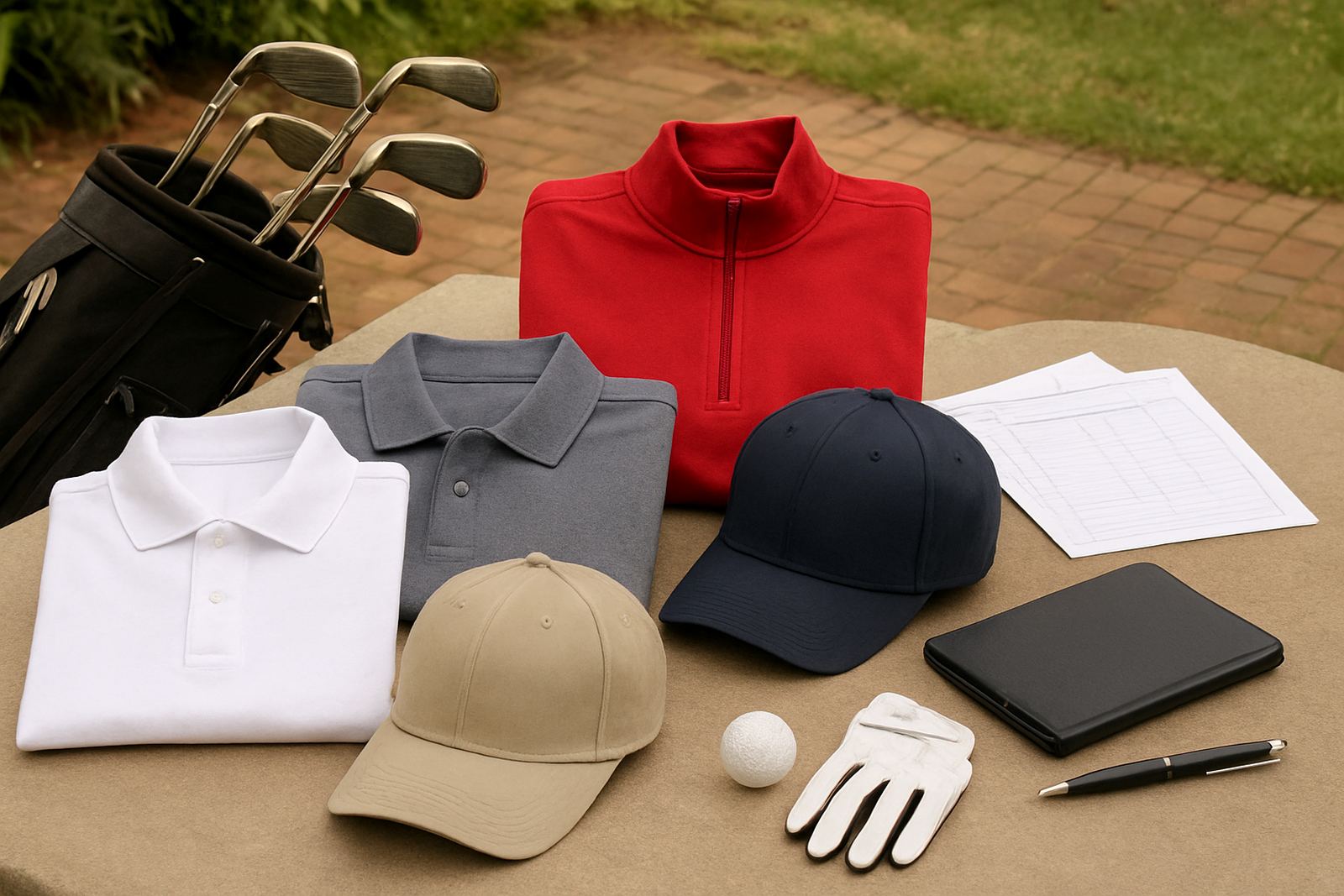
Most golf shirts are made from cotton blend or performance fabric. Cotton blend options are popular for corporate wear because they feel soft and familiar, and they usually press and fold well for presentation packs. Performance fabrics are lighter and dry faster, which is useful for outdoor use or active teams that move between meetings and sites.
Check the weight of the fabric if you can. Lighter shirts can feel cooler, but very thin fabric may show undershirts and can lose shape after repeated washing. A slightly heavier knit often lasts better and gives embroidery a neater finish. If the garment will carry a large logo on the chest or back, make sure the fabric can support the branding without puckering.
- Choose softer fabric for office and client-facing wear
- Choose quick-dry fabric for sports, events and outdoor teams
- Ask how the shirt behaves after repeated washing
- Check whether the fabric is suitable for embroidery, print or both
Fit and sizing that work across your team
A good golf shirt should allow movement without looking baggy. When ordering for a mixed team, it helps to collect sizes early and confirm the cut for men, ladies and unisex fits. A shirt that sits well at the shoulders and does not pull at the buttons will always present better than a looser fit that hides the branding.
For schools and clubs, size consistency matters. Some ranges fit smaller than expected, so it is worth checking a sample before approving the bulk run. Keep in mind that a size chart is only part of the picture, because body shape and intended use can change the right choice. If the shirts will be layered over vests or worn during travel, allow a little extra room.
- Confirm whether you need men’s, ladies or unisex cutting
- Ask for a size chart and compare it against your team list
- Allow room for layering if the shirt will be worn in colder months
- Check shoulder width, sleeve length and overall body length
Pick colours that suit the logo and the real work environment
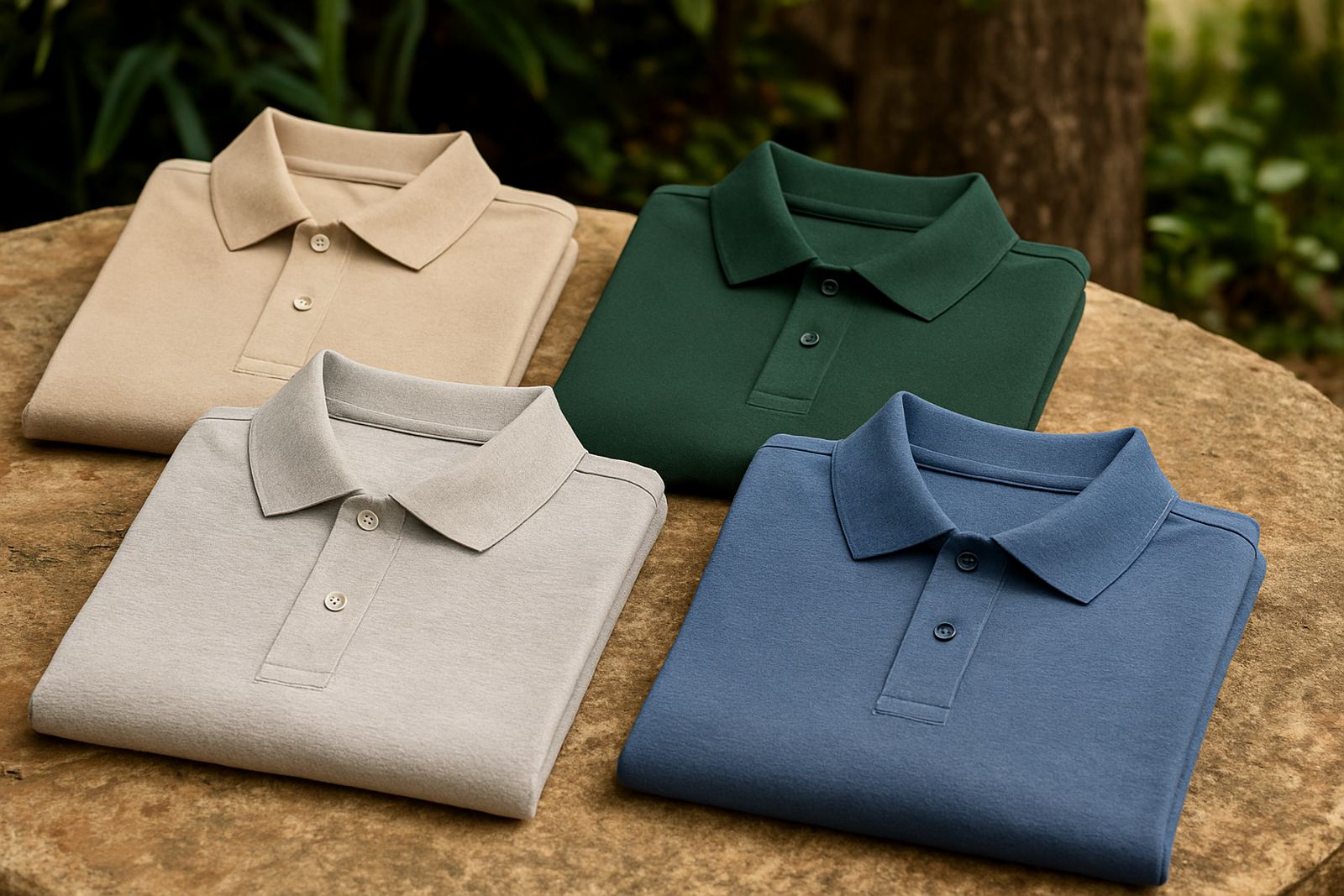
Colour choice does more than match a logo. Dark colours hide marks better, which can be useful for warehouse teams, school events and outdoor promotional use. Light colours can feel fresher and often show off embroidery well, but they may need more frequent washing to stay sharp. If the shirt is for coastal use, think about fading from sun exposure as well.
Also look at contrast. A dark logo on a dark shirt will disappear, while a pale logo on a very light shirt may not have enough impact. When the garment colour and logo colour work together, the whole shirt looks more professional. It is also worth checking whether the shirt colour is available again later, especially if you plan to top up stock for a growing team.
- Choose low-maintenance colours for busy work environments
- Use high contrast logo colours for clearer visibility
- Plan for repeat orders if the team may grow
- Check how the shirt colour looks under indoor and daylight conditions
Match the branding method to the fabric and budget
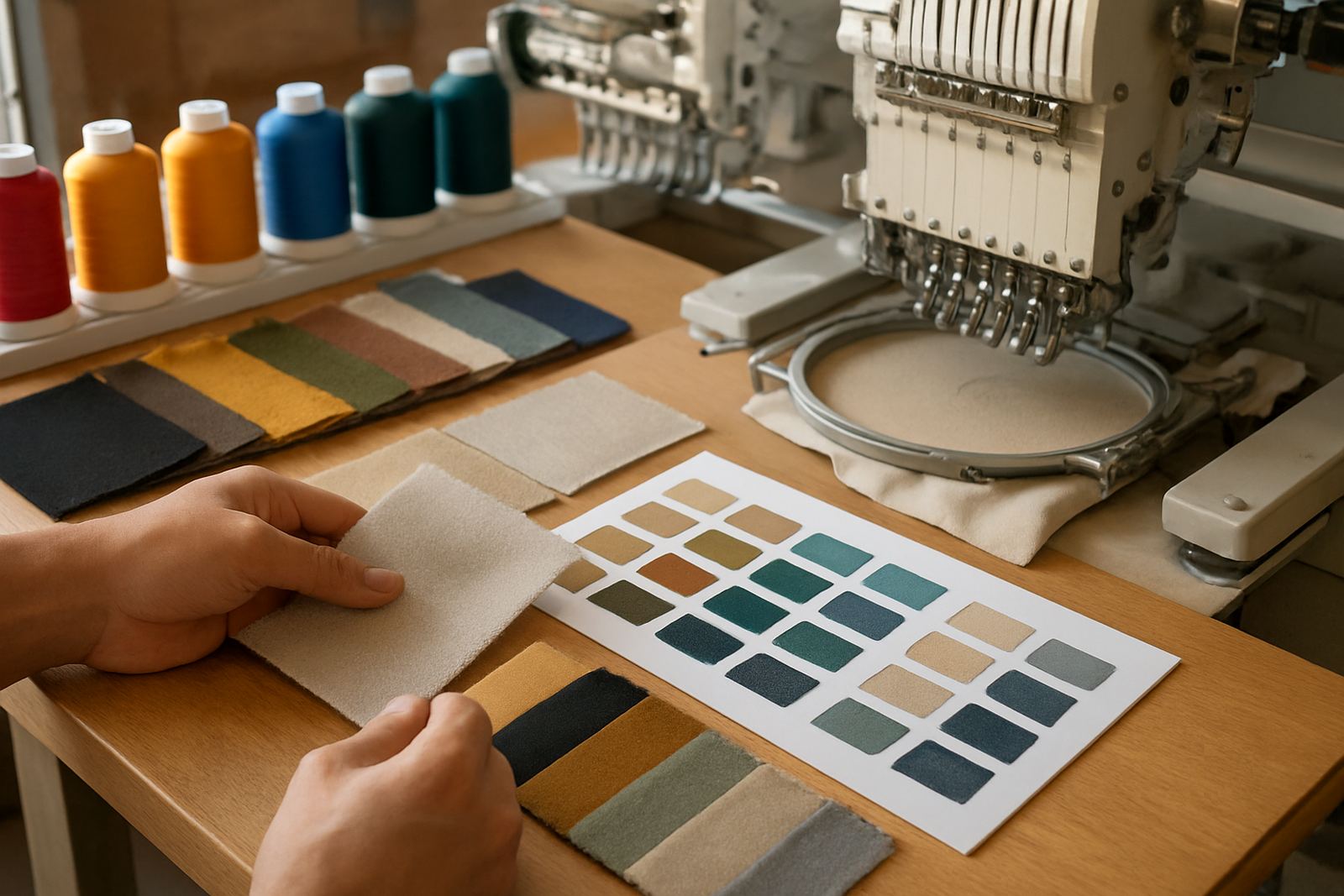
Embroidery gives a smart, durable finish and works well for chest logos, names and school badges. It is often the first choice for corporate wear because it handles washing very well and keeps its shape. Printing can be better for larger artwork, detailed graphics or when you need a flatter feel on the garment. Heat press is useful for names, numbers and smaller short-run jobs.
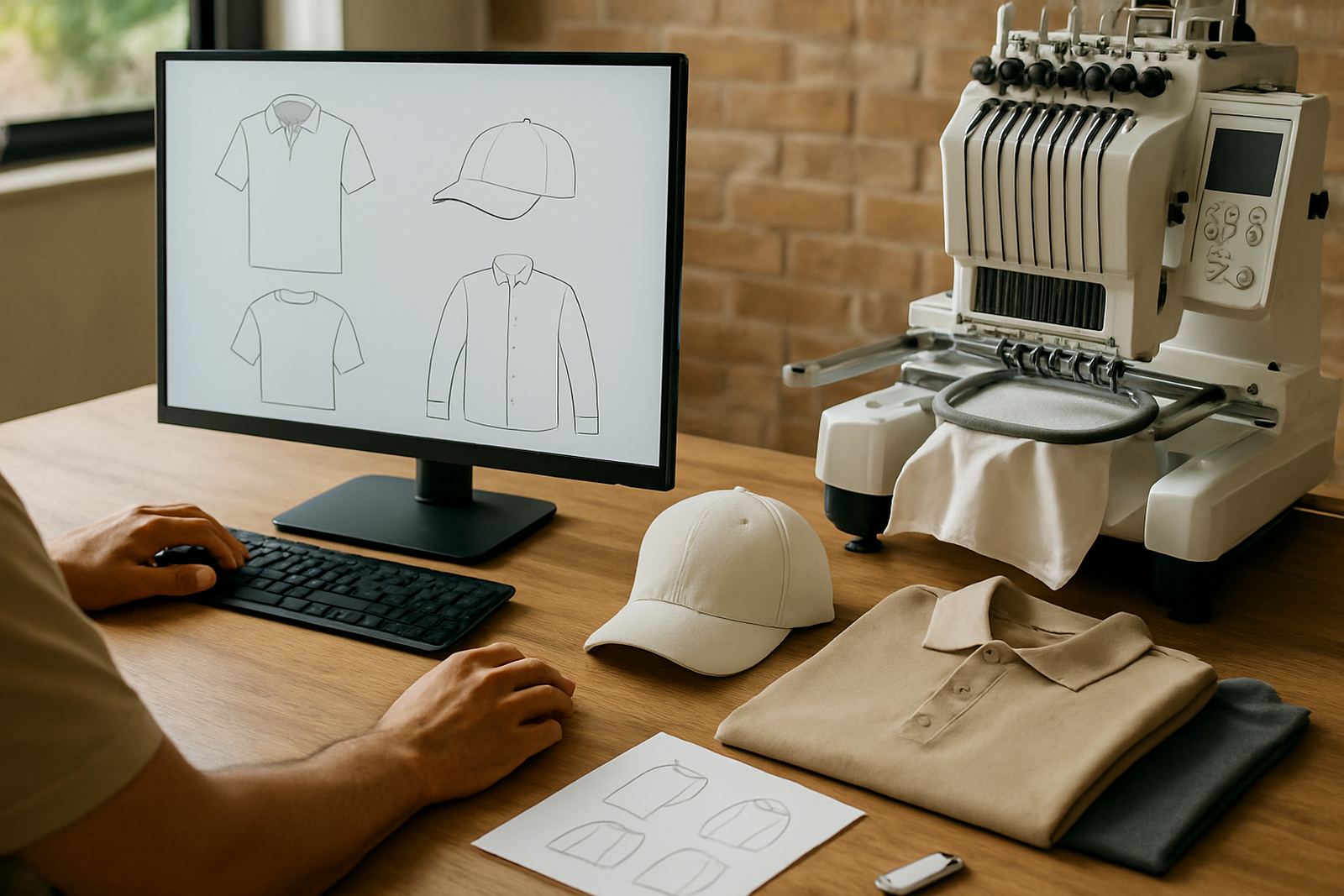
The right method depends on the shirt, the logo and the quantity. A simple one-colour logo may be suitable for embroidery, while a fuller design can be more cost-effective in print. In-house digitising helps the artwork move quickly into production and allows the stitch pattern to be matched to the logo properly. For urgent orders, it is also possible to assess whether a 24-hour turnaround is realistic.
- Embroidery for a premium finish and long wear life
- Screen printing for bold graphics and larger quantities
- Heat press printing for names, numbers and fast jobs
- Ask for artwork checks before confirming the order
A simple ordering checklist before you approve the run
Once you have chosen the shirt, confirm the full spec before production starts. That means fabric type, colour, fit, sizes, logo placement and quantity per size. It is also wise to ask for a sample run if the order is large or if the design is new. A sample can show you exactly how the branding sits on the shirt and whether the logo size feels balanced.
For businesses across Durban North, La Lucia, Mount Edgecombe, Ballito and the wider eThekwini area, bulk orders often need careful packing and delivery planning. If the shirts are for a launch, a school event or a club tournament, build in time for checking, corrections and distribution. That saves last minute stress and keeps the order on track.
- Confirm fabric, colour, fit and size breakdown
- Approve logo position and branding method
- Ask for a sample if the order is important or complex
- Check delivery timing, packing needs and any rush requirements
What to do if you are ordering for a mixed group
Mixed groups need a bit more planning, because staff, coaches, volunteers and learners may all want different fits. The safest route is to separate the order into clear size groups and keep a spare or two for exchanges. That is especially useful when shirts are going out to multiple branches or school houses and not everyone can try on the same sample at once.
If the shirts are for a club or company event, consider one core colour for everyone and then use names or roles to differentiate people. That keeps the group looking united while still making the shirts practical. It also helps if you need to reorder later, because the base garment stays the same even when the print details change slightly.