

1. Start With The Rollout Goal And Scope
Before you order anything, decide what the uniform is meant to do. Is it for staff visibility, cleaner brand presentation, safety, or a full refresh across every department? A clear goal helps you choose the right garment mix, decoration method and budget from the start.
For teams in Durban North, Umhlanga, Westville, Pinetown and Ballito, it also helps to separate office wear from field wear. A reception team may need embroidered golf shirts and jackets, while warehouse or site teams may need durable shirts that handle daily washing and sweaty weather. If you are rolling out across multiple branches, list each team, size range and job type before you place the order.
- Confirm which departments need uniforms.
- Decide if the rollout is for daily wear, events, or both.
- List garment types, colours and logo positions.
- Set a target date for issue and re-order.
2. Lock The Artwork And Branding Rules Early
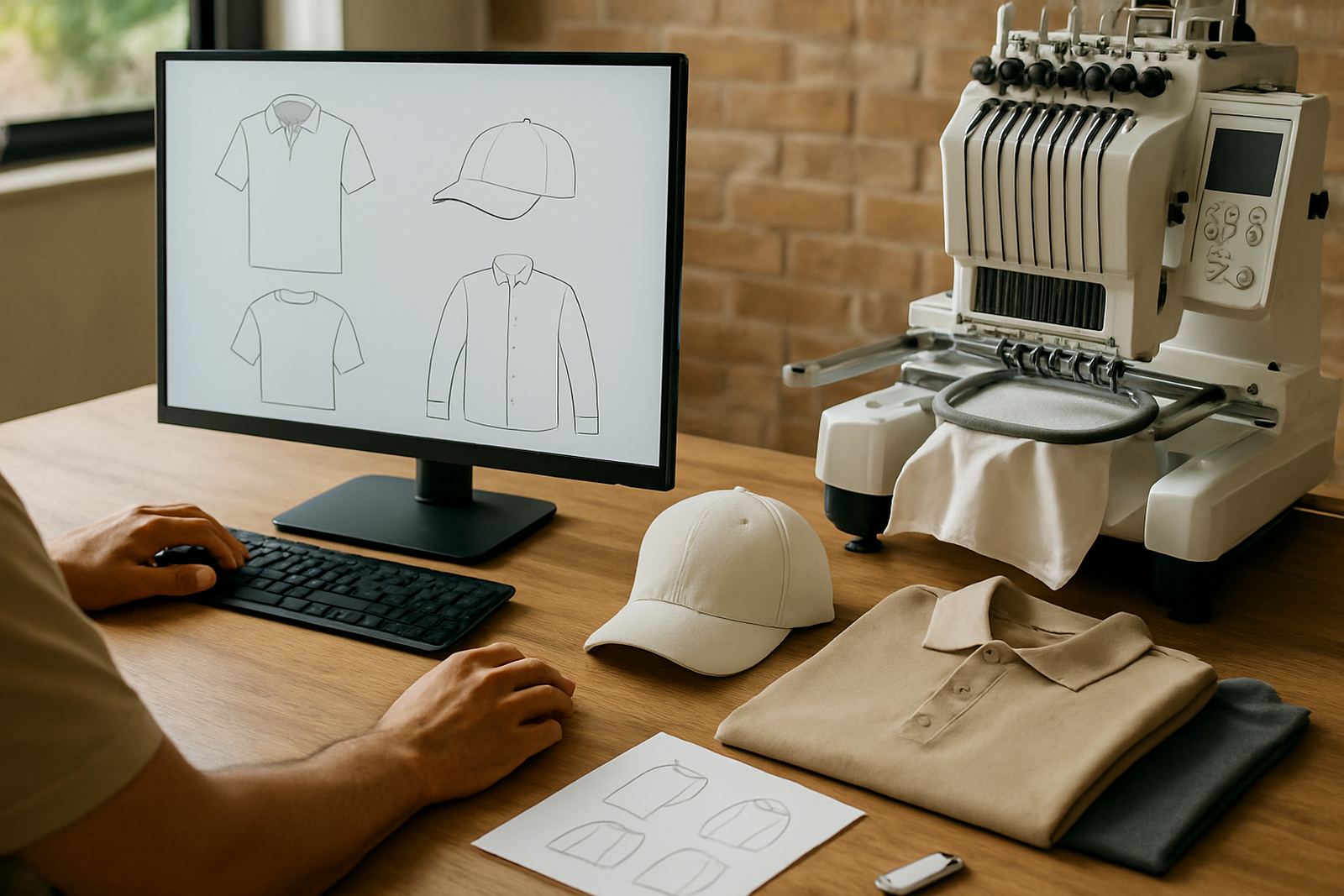
Artwork checks should happen before production starts. A logo that looks fine on a screen may need cleaning up for embroidery or print, especially if the original file is low resolution or has too many fine lines. In-house digitising helps here, because it allows the stitch file to be prepared for neat embroidery on caps, shirts and jackets without delays.
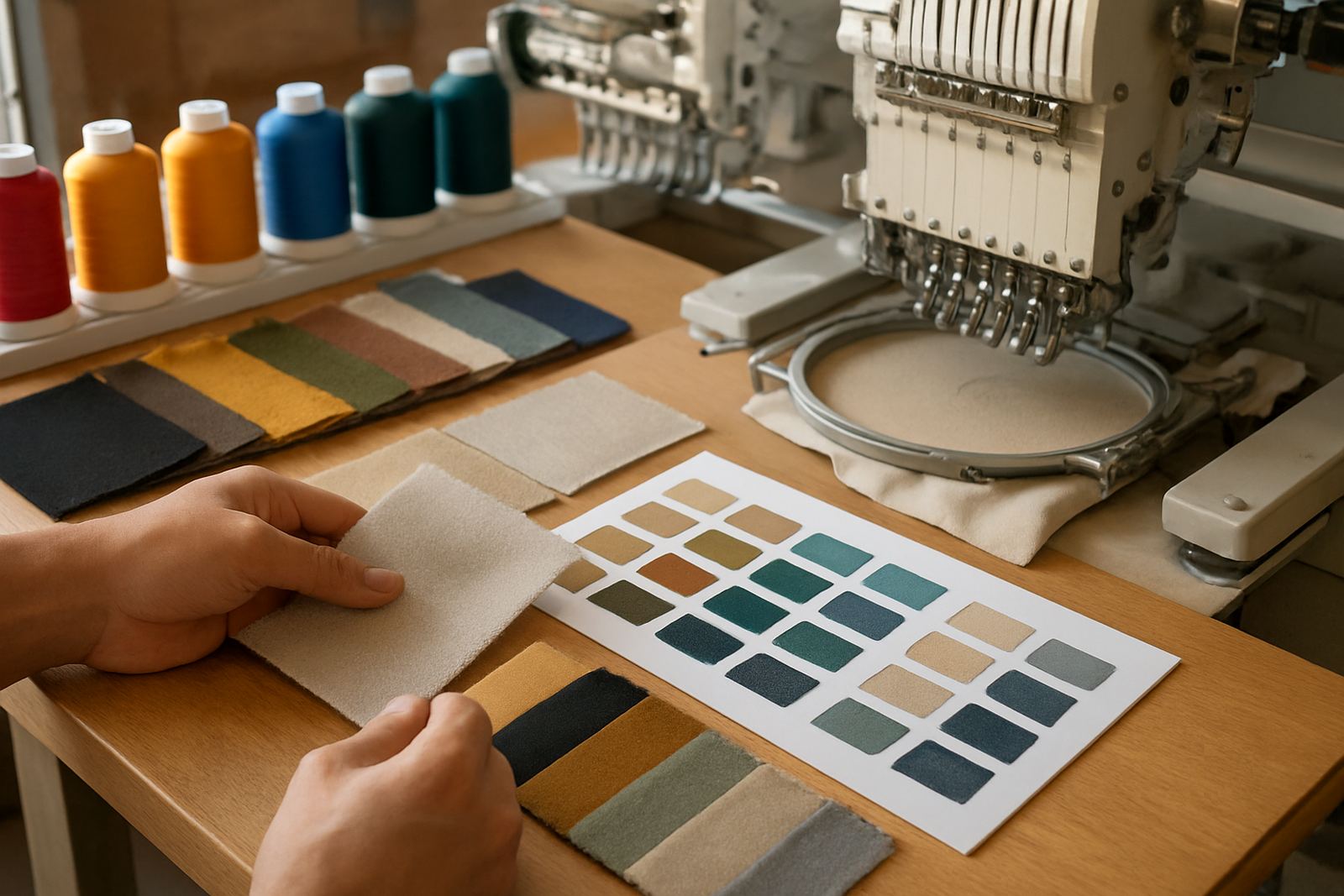
Keep branding rules simple. Decide which logo version to use, where it must sit, and whether names, titles or department details are included. If the same garment will be worn in hot coastal areas and indoor offices, stick to colours that hold up well in regular washing and do not fade quickly. One small change now can save a lot of fixing later, and that is usually where rollouts run late.
- Use one approved logo version for the whole rollout.
- Check spelling for names, branches and titles.
- Approve placement on left chest, sleeve, back or cap front.
- Confirm decoration method: embroidery, screen print or heat press.
3. Choose Garments For Durban Conditions And Daily Use
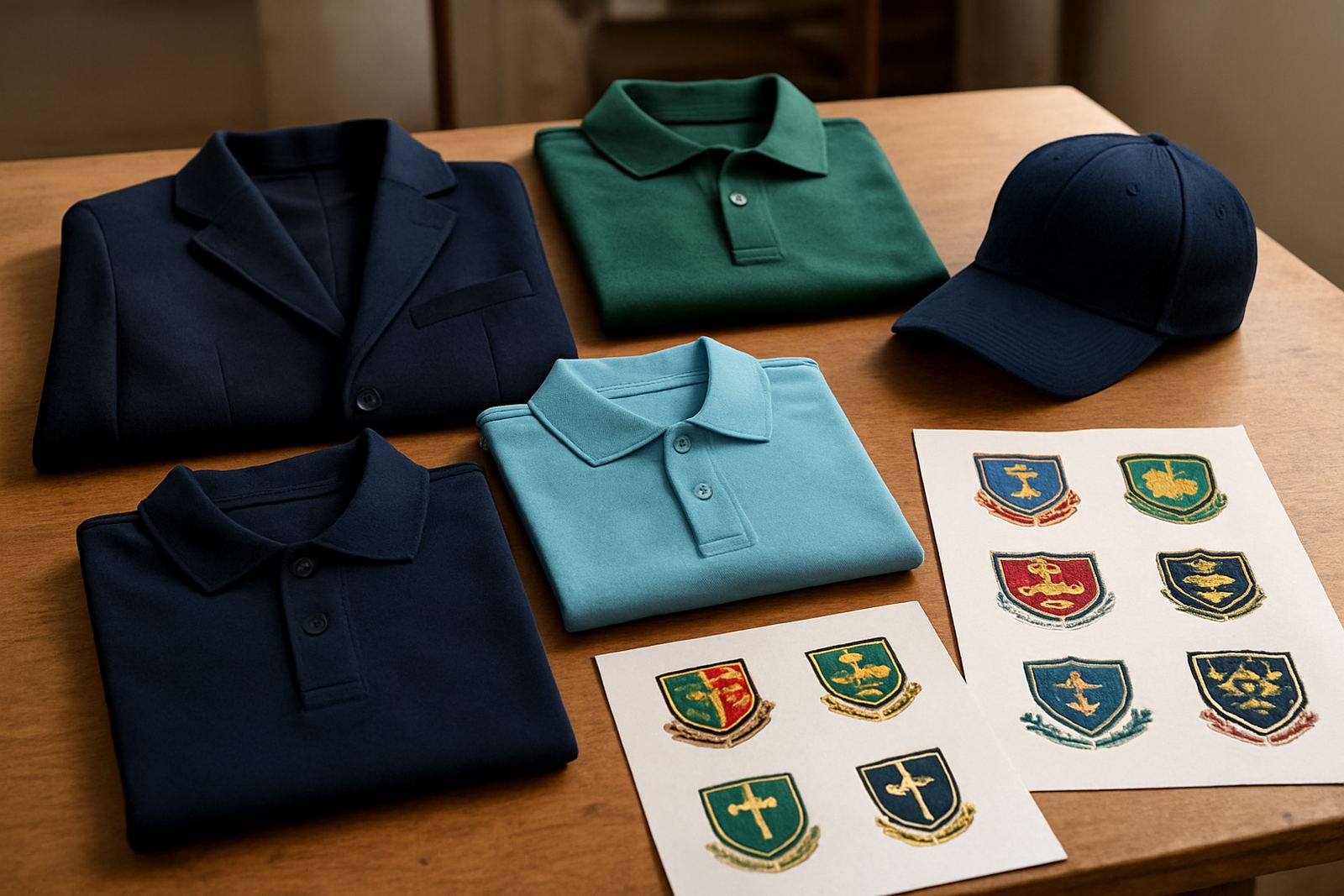
Uniforms in Durban have to cope with humidity, heat, salty air and long days. That means fabric choice matters. Golf shirts are often the easiest option for general staff because they are smart, comfortable and suitable for embroidery or print. For schools, clubs and service teams, you may also need caps, jackets, aprons or quick-dry shirts depending on the work.
Think about who wears what all day. A driver or technician may need a tougher shirt with less shrinkage, while an admin team may prefer a cleaner fitted look. If the rollout is for Ballito or other coastal areas, consider how often the garment will be washed and whether the team works outdoors. The right clothing saves money over time because people actually keep wearing it.
- Choose breathable fabrics for warm weather.
- Check shrinkage, wash care and colour consistency.
- Match garment weight to the work being done.
- Order a sample run if there are several options to compare.
4. Build A Size List That Covers Real People
One of the biggest causes of rollout delays is poor sizing. Do not guess sizes from old uniforms or job titles. Gather measurements or current sizes from each team member and build a list with extras for new staff and replacements. If the rollout covers multiple sites, ask each manager to send their sizes in one standard format so nothing gets missed.
Keep a little buffer stock. A few spare shirts in the most common sizes can save a rush order when new people join or when a garment is damaged. It also helps when a fit runs slightly small or large. This is especially useful for bulk orders, because re-ordering one or two items later often costs more than keeping them aside from the start. It is a simple step but it avoids alot of back and forth.
- Collect sizes from every person, not just team leaders.
- Include a small buffer in common sizes.
- Separate men's, ladies' and unisex fits where needed.
- Record who receives which item for future re-orders.
5. Plan Production, Packing And Delivery In Stages
A staggered rollout is often easier than issuing everything on one day. You can start with head office or one branch, check the fit and branding, then release the rest in controlled batches. That approach is useful for businesses across eThekwini where teams are spread between Durban North, La Lucia, Mount Edgecombe, Hillcrest and Pinetown. It keeps the admin side manageable and gives you time to sort any corrections early.
Once production is approved, ask for clear packing by department, size or branch. That makes distribution much smoother when the uniforms arrive. For larger orders, it also helps to label cartons so each manager can hand out stock quickly. If you need a faster turnaround, an optional 24-hour service can assist on selected rush jobs, but only if the artwork and quantities are confirmed early.
- Roll out by branch, department or staff group.
- Ask for packing by size or issue list.
- Check delivery addresses and receiving times in advance.
- Allow time for a final sign-off before bulk packing.
6. Use A Simple Issue Checklist On Rollout Day
Issue day should be calm and organised. Have a checklist ready so each person receives the correct item, size and quantity. If there are printed names or role titles, check them before handing the garment over. A short fitting and sign-off process can prevent wasted stock and repeated corrections later.
It also helps to brief staff on care instructions. Embroidered and printed items last longer when washed properly and not ironed directly on the branding. In humid coastal conditions, especially where uniforms dry indoors during load-shedding, staff should know how to dry garments without damaging the print or stitch. Clear care notes make the rollout last better in real use.
- Confirm each person’s name, size and department.
- Check the logo placement before issue.
- Hand out care instructions with every set.
- Keep a record for replacements and re-orders.