
Why winter staff wear matters in Durban
Durban winters are milder than inland, but they still catch people out at 6am starts, on factory floors, at school gates and during site visits in Umhlanga, Westville and Pinetown. A light fleece or long sleeve layer can make a big difference when staff are loading stock before sunrise, standing near open roller doors or travelling between appointments.
For many businesses, winter wear is also part of the brand. A uniformed team looks prepared and organised, and in customer facing work that matters just as much as warmth. The trick is choosing items that suit our coastal conditions, where the morning chill often gives way to humid heat by late morning.
- Choose layers that can be removed easily once the temperature rises
- Use colours that match your existing uniform set or company identity
- Keep branding visible on the chest, sleeve or back for quick recognition
- Plan for staff who move between indoor and outdoor work in one day
Best winter branding choices for everyday wear
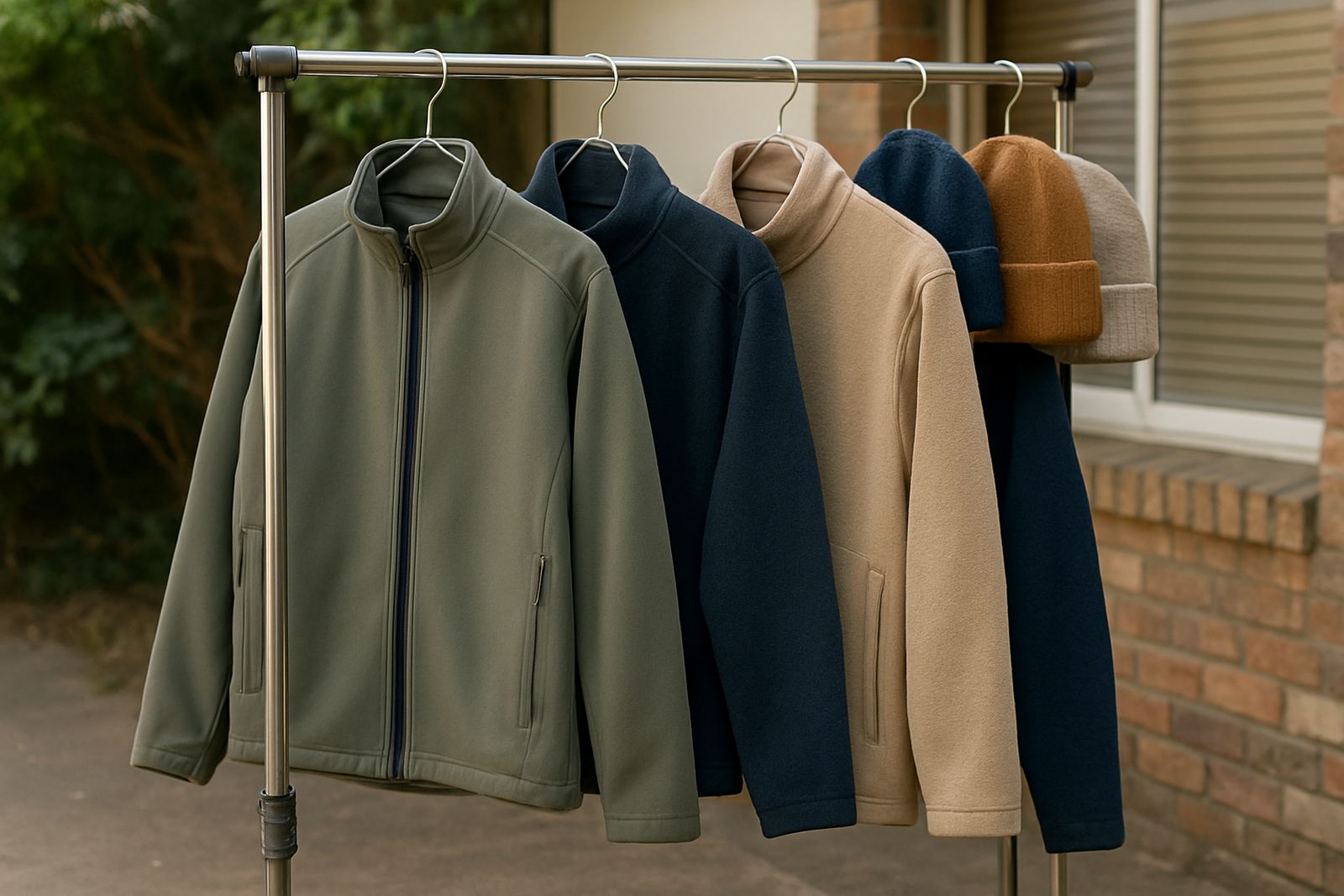
For most Durban teams, the best winter options are practical garments that sit well over a golf shirt or collared shirt. Embroidered fleece tops work well for reception, delivery, retail and admin teams, while printed hoodies can suit casual staff uniforms, clubs and youth programmes. Caps and beanies also help with early shift work, especially for outdoor crews and sports groups.
Where a business wants a cleaner corporate look, a long sleeve branded shirt or a zip top can be a better fit than a heavy jacket. In many cases the right mix is one warm layer, one lighter layer and a cap for early mornings. That keeps the team neat at the office and comfortable when they are on the move.
- Fleece tops for general winter warmth and regular washing
- Long sleeve shirts for corporate and front of house teams
- Hoodies for informal staff, schools and club groups
- Caps and beanies for outdoor work and early starts
- Softshell style layers for staff who need a smart, weather ready look
Embroidery or print, what works better in colder weather
Embroidery is often the first choice for winter staff wear because it gives a neat finish on fleece, jackets, caps and knitwear. It holds up well through regular use and is ideal for logos that need to stay clear on thicker fabrics. Print is also useful, especially on lighter sweat tops, hoodies and promo clothing where larger artwork or a bold message is needed.
The best method depends on the garment and how it will be worn. If staff will be in public view, embroidery usually gives a more polished result. If the order is for a large school group, campaign, event crew or promo team, printing may be more cost effective, especially for higher quantities. We also check artwork first so the logo reads properly on the material and size selected.
- Embroidery suits fleece, caps, jackets and corporate layers
- Print works well on hoodies, sweat tops and event wear
- Small chest logos are ideal for office and sales teams
- Large back prints help with visibility at events and on sites
How to choose the right winter kit for your team
The right winter staff wear depends on where people work, how often they wash the items and whether the clothing must suit both indoor and outdoor settings. A school team in La Lucia may need neat, lightweight layers for morning duty and classroom support, while a logistics team in Pinetown may need warmer garments that can handle early loading and transport duties.
It helps to break the order into roles. The office front line may need a smart long sleeve shirt with a subtle logo. The warehouse crew may need fleece tops and caps. Drivers may need comfortable mid-weight layers that are easy to wear over a shirt, with clear branding for quick identification at delivery points. If you are ordering for a mixed team, keep the core colour family the same so the whole group still looks coordinated.
- Match garment weight to the actual job function
- Choose fabrics that wash well and dry quickly in humid weather
- Allow for layering over existing uniforms
- Keep one colour set across departments for a tidy team look
- Order spare items for new staff and replacements
Rush orders, sample runs and bulk supply for local teams
Winter orders often come in when the weather turns and staff suddenly need something warmer. That is why sample runs and quick turnaround options matter. A small test order helps you check fit, logo size and colour before the full run is approved. For larger teams, bulk ordering keeps the look consistent and can save time when new staff join later in the season.
Across Durban North, Umhlanga, Westville, Ballito and Hillcrest, many clients need winter wear for schools, contractors, offices and sports clubs. A practical order plan is to start with the essentials, then add extras such as caps, promo items or uniform packs for different departments. This makes reordering easier and keeps the team looking sorted through the colder months.
- Sample runs help avoid costly size or artwork mistakes
- Bulk orders suit schools, franchises, contractors and club groups
- Rush orders are useful when a cold front arrives suddenly
- Packing and delivery helps get garments to different branches on time
A Durban example: early starts in coastal weather
Think of a team that starts before sunrise in Umhlanga and then spends the day moving between offices, stores and client sites in eThekwini. Early on, the air is cool and damp, so a fleece or long sleeve branded layer is welcome. By late morning, the same staff may be in warm indoor spaces or driving through traffic in the sun. If the clothing is too heavy, they end up taking it off and the branding is lost.
A better approach is to use light to mid-weight winter wear with clear embroidery on the chest and a cap for the early shift. That way the team looks professional at first contact, stays comfortable through the day and does not need to carry extra clothing around. For Durban companies, this balance matters more than a thick winter jacket that never gets worn properly.
Good winter staff wear should work with the climate, not against it. That means warm enough for the morning, smart enough for customers and practical enough for daily use. It should also stand up to coastal humidity, regular washing and the kind of moving around that most local teams do.