Start with how the cap will be worn
Before you choose between structured, unstructured and bucket styles, think about where the cap will be used. A golf day in Umhlanga needs a different finish to a warehouse crew in Pinetown or a school fundraiser in Ballito. If the cap is for daily wear, the fit and fabric matter as much as the branding.
For outdoor work in Durban North and along the coast, you also need to consider heat and humidity. A heavier cap can feel hot by mid-morning, while a lighter crown with some airflow is easier to wear during long shifts. For promotions, the cap should match the audience, because a good style gets worn again and again instead of being left in a drawer.
- Staff wear: focus on comfort, sweat management and a neat front panel for logos.
- Events: choose a style that suits a broad mix of sizes and ages.
- Clubs and schools: think about consistency, colour matching and easy re-ordering.
- High-traffic outdoor use: choose a cap that holds its shape after repeated wear and washing.
Structured caps give a firmer, more formal look
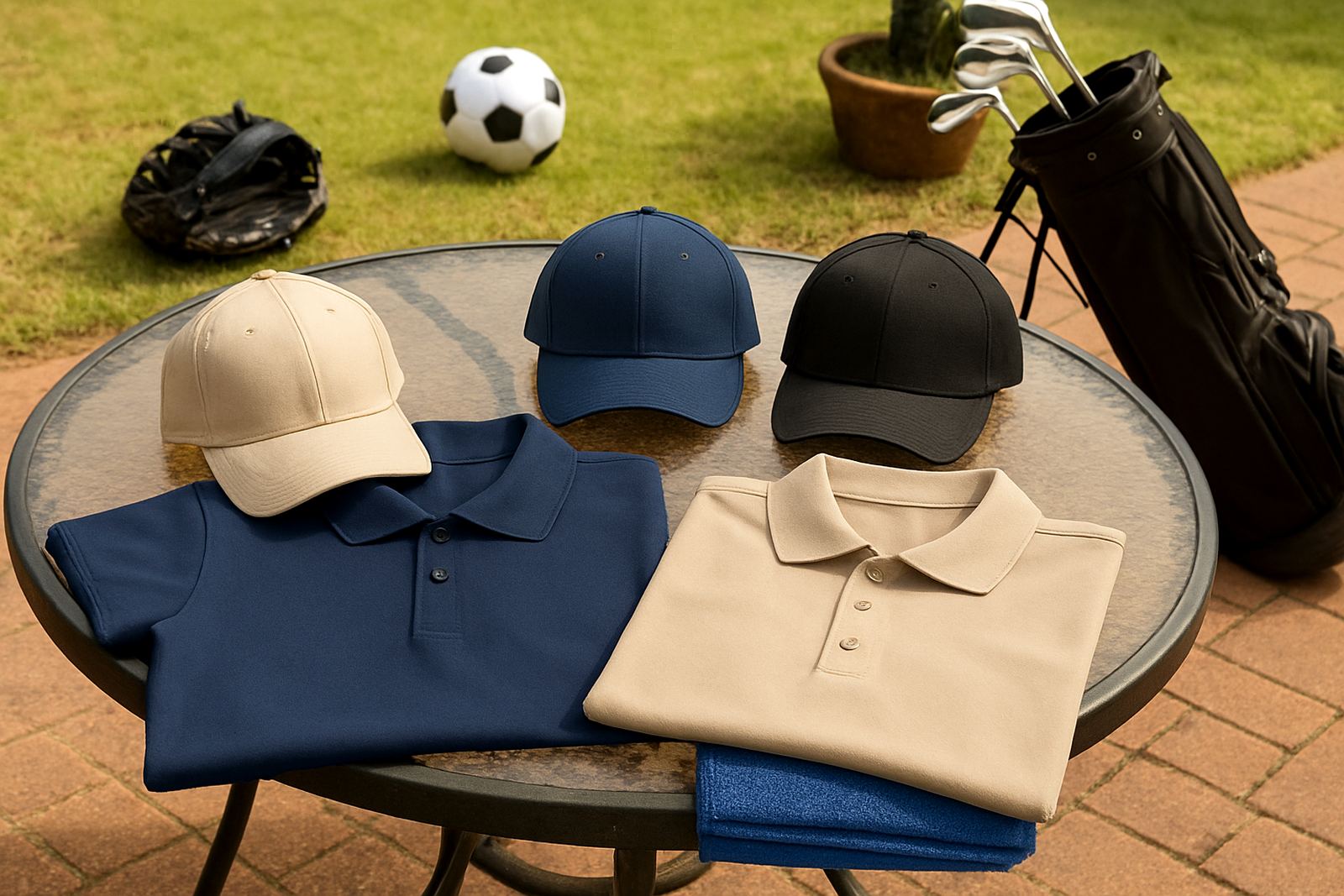
Structured caps have a reinforced front panel, which helps the crown keep its shape. That makes them a strong choice for corporate wear, security teams, retail staff and clubs that want a smart front profile. The logo sits on a flatter surface, so embroidery usually looks crisp and easy to read.
They are popular for businesses that want a cleaner and more uniform appearance. In a reception team or a branded field crew, a structured cap can make the whole group look organised without trying too hard. If your logo has small lettering, a firmer front panel often helps with legibility. We usually recommend this style when the cap needs to support embroidered branding on a regular basis.
- Best for: corporate teams, safety wear, golf days and club merchandise.
- Branding: works well for embroidery, cap branding and some print applications.
- Look and feel: neat, presentable and more formal than softer styles.
- Practical point: good when you want the cap to hold its shape after lots of use.
Unstructured caps suit relaxed, everyday branding
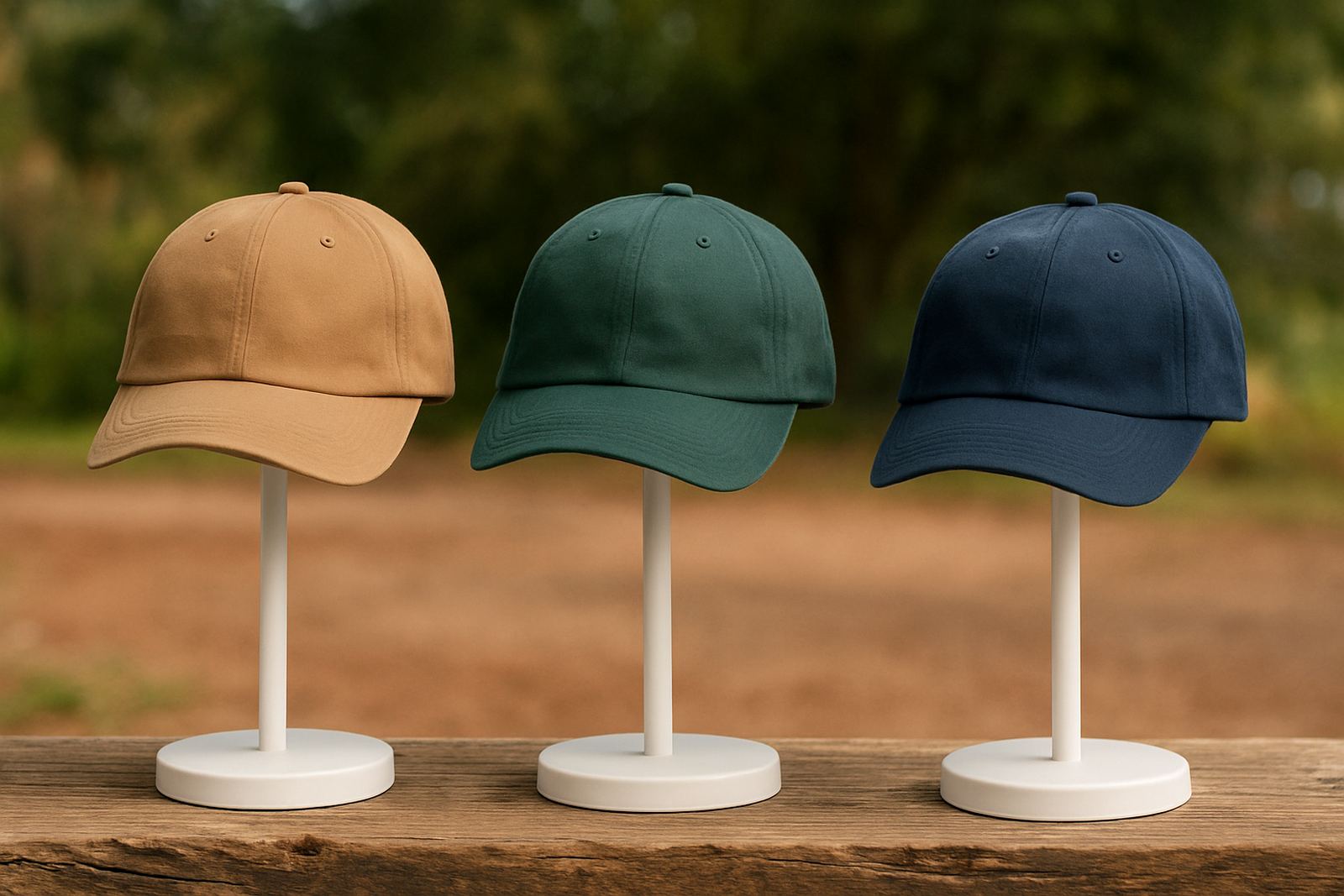
Unstructured caps have a softer crown and a more casual shape. They suit relaxed brands, lifestyle events and teams that want something easy to wear for long periods. Because the cap sits lower and moulds slightly to the head, it can feel less stiff and more comfortable in hot weather.
These caps work well for casual promotions, sports clubs and creative teams. They also suit simple logos, bold text and single-colour branding. If you are planning a bulk run for a launch or a community event, an unstructured style can be a practical option because it is easy to wear for different head shapes. It is a simple choice when you want the cap to feel friendly rather than formal.
- Best for: casual promotions, lifestyle brands and events with mixed audiences.
- Branding: ideal for clear logos, small chest-style marks and simple artwork.
- Comfort: softer feel and easy all-day wear.
- Tip: choose this style if your team wants a less rigid look but still needs a clean finish.
Bucket hats cover more shade for outdoor use
Bucket hats are worth considering when shade is a priority. They offer more coverage around the face and neck, which is useful for outdoor activations, sporting days, markets and school programmes. In coastal areas like Durban North, La Lucia and Umhlanga, that extra shade can make a real difference when teams are outside for hours.
They are also a good fit for younger groups and informal promotions. A bucket style can carry a logo on the front or side, and it tends to read well from a distance. For marshals, volunteers and event crews, this is often the easiest cap type to spot quickly. If you need visibility and sun protection in one item, a bucket hat is a practical option.
- Best for: outdoor events, school activities, summer promotions and volunteer teams.
- Branding: good for bold logos and clear, simple marks.
- Comfort: useful in strong sun and warmer months.
- Practical point: ideal when shade is more important than a traditional cap shape.
Match the cap to the branding method
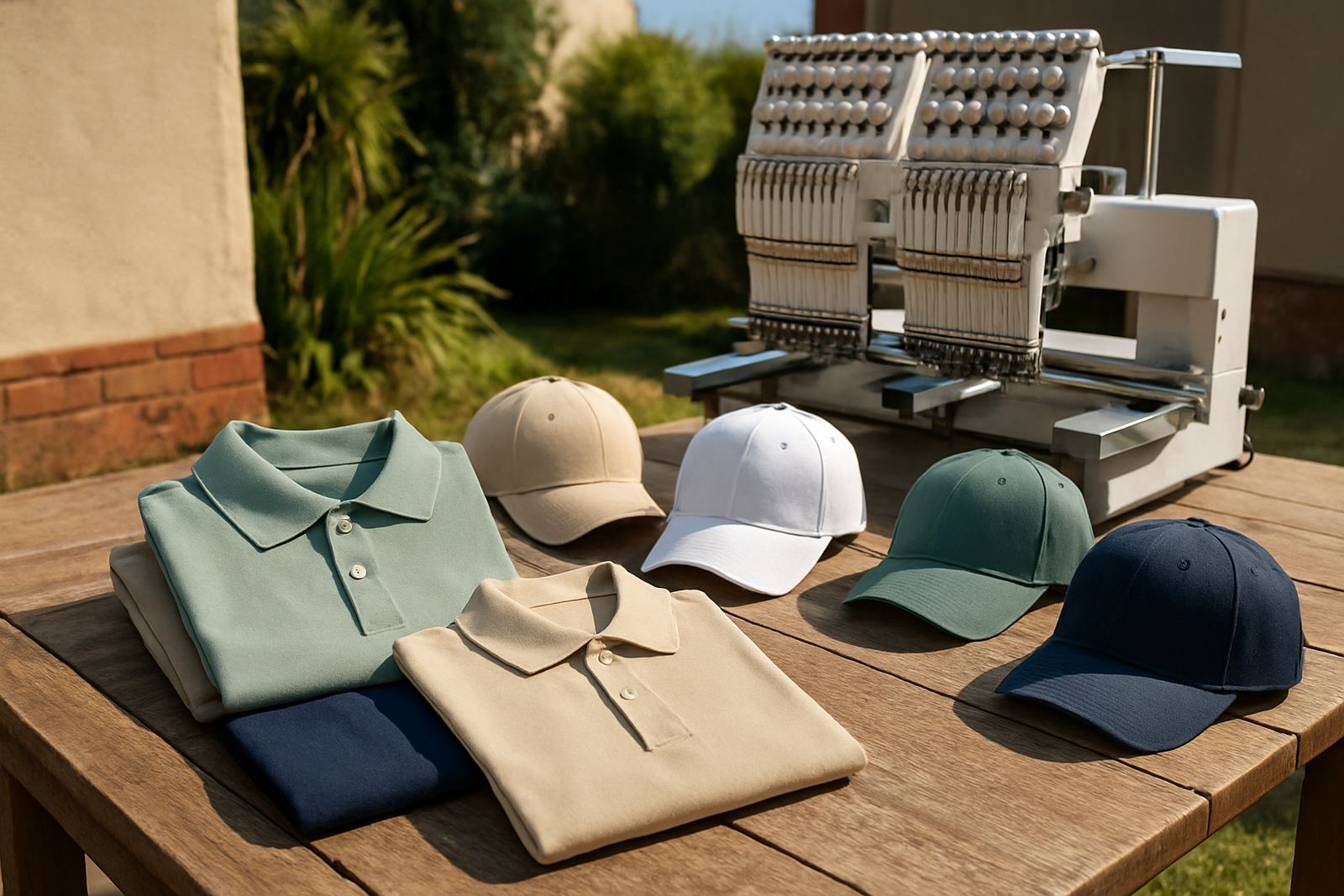
The cap style should work with the branding method you choose. Embroidery suits structured caps especially well because the front stays firm and the stitches sit neatly. For larger campaign runs or simpler graphics, screen printing and heat press printing can work on certain cap styles, depending on the artwork and placement. If the logo is detailed, in-house digitising helps keep the finish clean and readable.
Artwork checks matter here. A logo that looks fine on a flat page may need adjustment before it goes onto a cap panel. Thin lines, tiny text and fine shading can be tricky, so it is better to test the design early. We also recommend sample runs for larger orders, especially when a business needs a specific colour match or wants to approve the look before production. That saves time and prevents avoidable rework.
- Structured caps: usually the easiest for embroidery.
- Unstructured caps: good for simpler branding and casual use.
- Bucket hats: useful for bold prints and broad visibility.
- Detail-heavy logos: may need digitising adjustments before production.
Local use cases help narrow the choice quickly
A Durban North finance office ordering caps for a team golf day may prefer structured caps in a neutral colour, embroidered with a neat logo. A Westville school might choose bucket hats for learners during an outdoor fundraiser because the extra shade is practical. A Pinetown logistics crew could opt for unstructured caps that are lighter and easier to wear during long shifts.
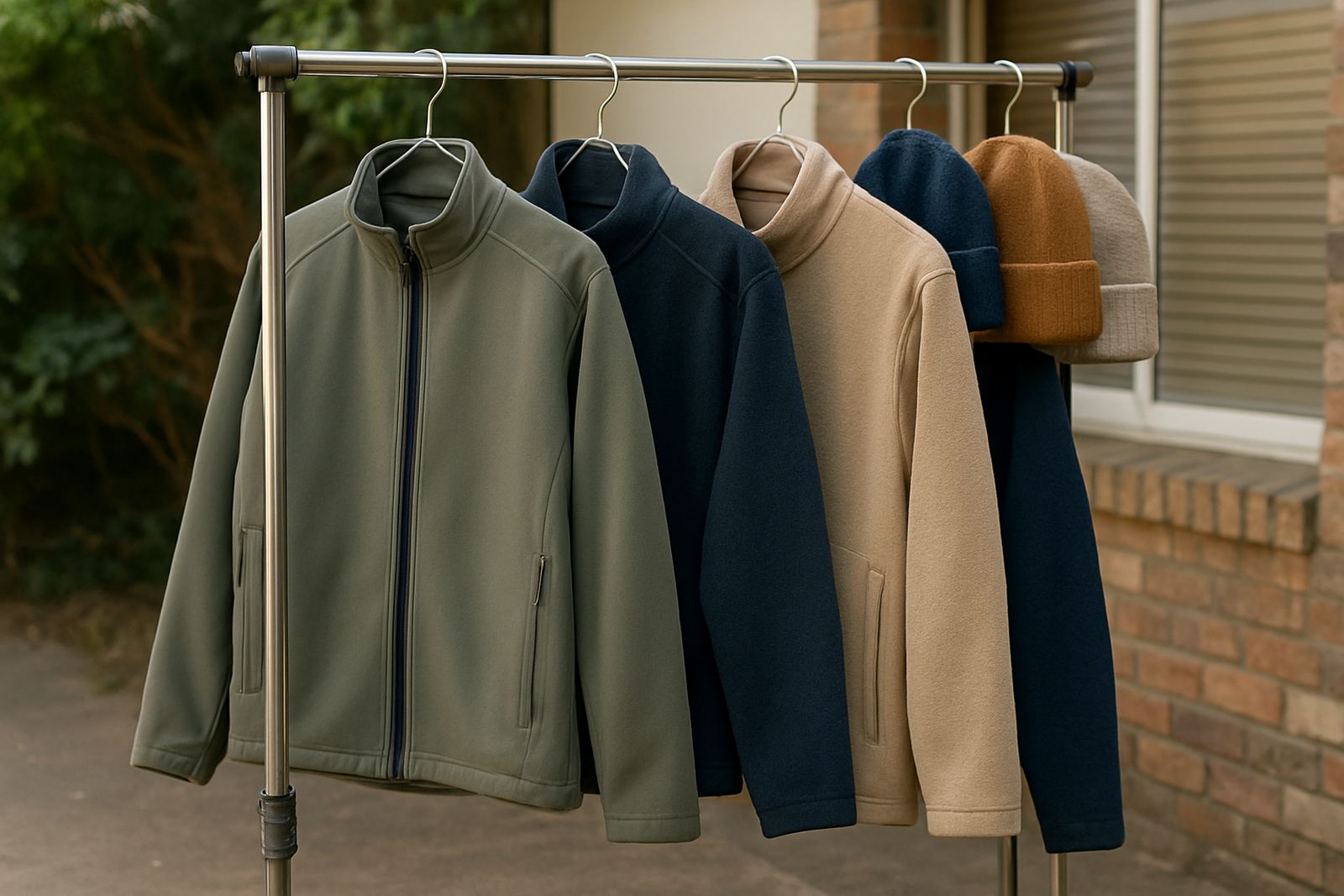
For a Ballito coastal promotion, the choice may come down to comfort and visibility in hot, windy weather. If the caps are going out with uniform packs, the style should match the shirts and jackets so the whole order looks consistent. The right cap style does not need to be complicated, but it should suit the people wearing it and the setting they work in. That is where practical advice saves money and time.
- Golf days: structured caps usually present best.
- Schools and outdoor events: bucket hats often make more sense.
- Daily staff use: unstructured caps can feel lighter and easier.
- Mixed orders: keep one style per group so re-ordering stays simple.