Start with the deadline and use a backward plan
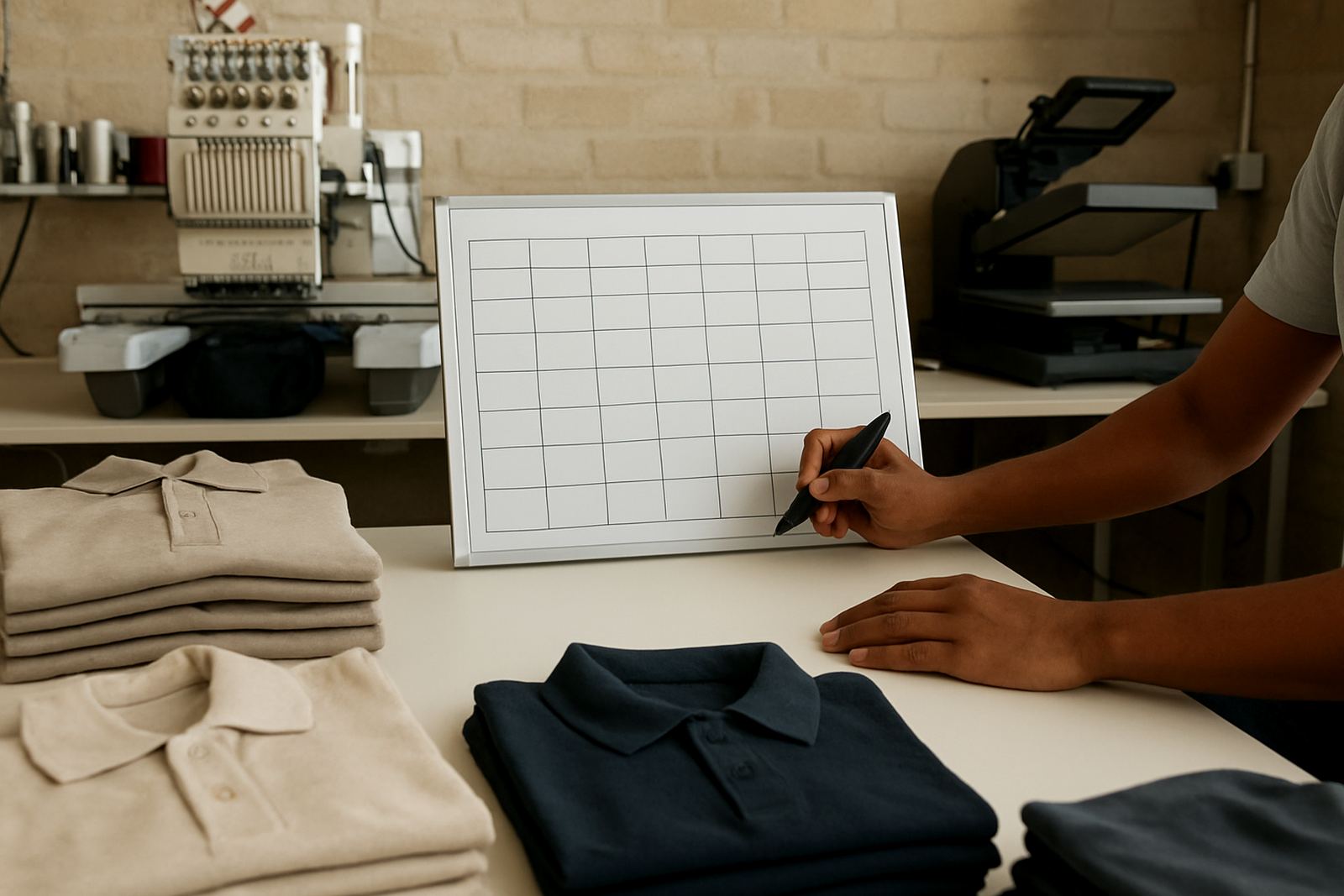
The first thing to do with a rush order is to work backwards from the moment you need the goods in hand. If the items are for a Friday event in Umhlanga, a Monday handover in Pinetown or a Saturday school function in Ballito, say so clearly at the start. Include the date, the time and the delivery area, because transport time across eThekwini can catch people out especially when traffic is heavy or rain slows the roads.
It helps to split the order into three parts: artwork approval, production, and packing or delivery. If you are ordering embroidered golf shirts, caps and promo items together, each item type may move at a different pace. Embroidery on 30 shirts is not the same as a single colour print on 200 bags, so the order needs to be planned item by item, not as one lump. A tight deadline can still work, but only if the steps are set in the right order.
- Confirm the event date and the latest safe delivery time
- List every item, size and colour needed
- Send all artwork together so nothing gets missed
- Ask for one contact person to approve samples and proofs
Send artwork that is ready for production
Artwork is where many urgent jobs lose time. A logo that looks fine on a screen may not be ready for embroidery or print. For a rush order, send the cleanest version you have, ideally in a vector format or a high resolution file with clear colours. If you only have a low quality image from a social media post, mention that right away so the team can assess what can be saved and what needs to be redrawn.
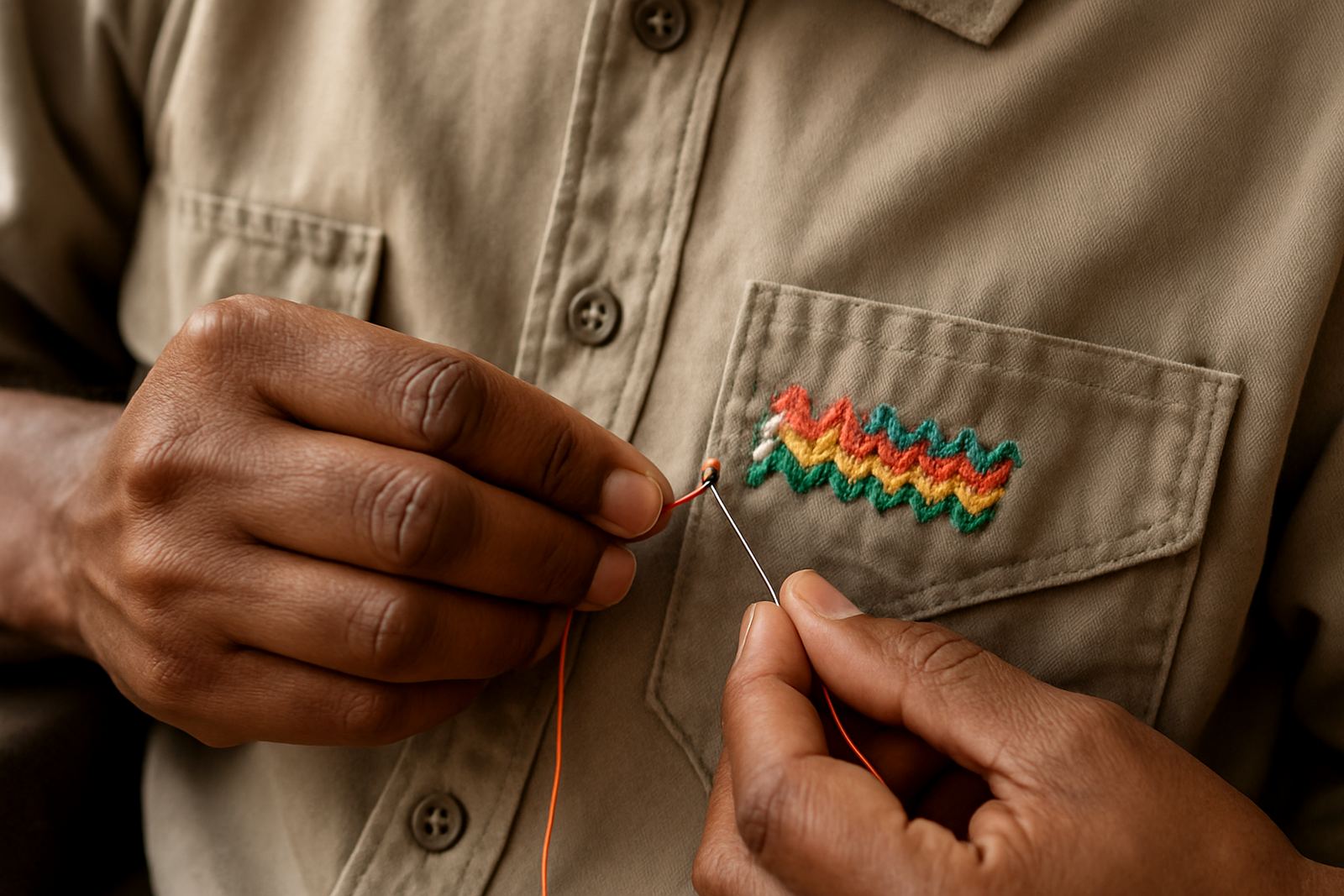
For embroidery, the digitising stage is critical because the artwork must be converted into a stitch file. That process can take time, but good source artwork makes it quicker. For print jobs, the sizes and colours must be checked so the artwork prints correctly on the garment or promo item. Small wording changes should be final before production begins, because a last minute correction can push the whole order back by hours.
- Send logos in a clear format, not a screenshot if possible
- Spell names, slogans and dates exactly as they must appear
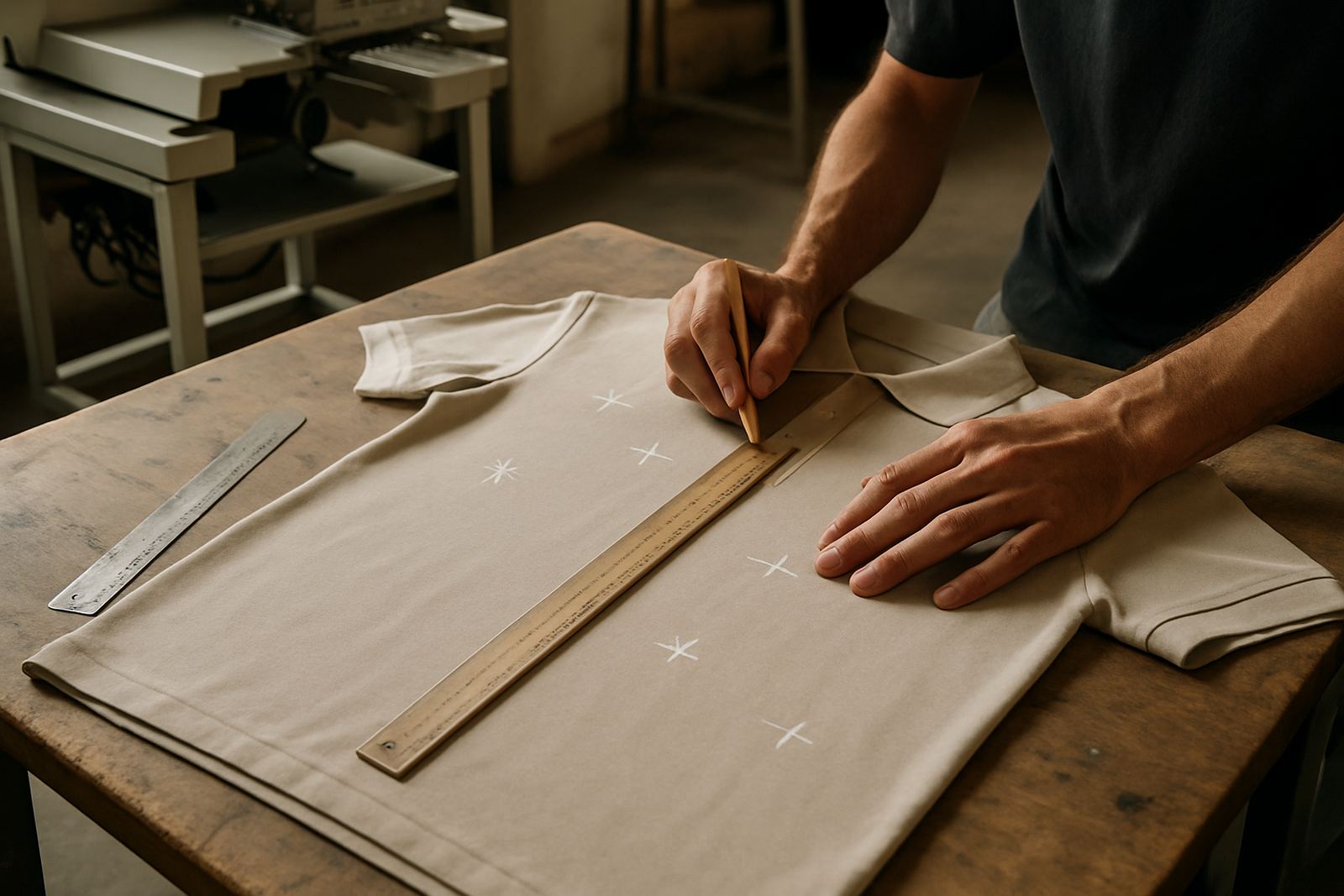
- Tell us the logo size you want on the chest, sleeve or cap
- Flag any colour restrictions for school or corporate branding
Choose the right branding method for the time you have
Not every decoration method works well on a same week deadline. Embroidery gives a smart finish for golf shirts, jackets and caps, but it needs digitising and stitch testing. Screen printing is efficient for larger quantities of one design, while heat press printing can suit smaller runs and name changes. If you need mixed items for a team, school or company, the fastest solution is often to match the branding method to each item instead of forcing one method across everything.
For example, if a Durban North business needs 24 embroidered shirts and 20 printed caps for a launch on Friday, the shirts may need the earliest approval while the caps can move through a separate print line. When the brief is clear from the beginning, the production team can sequence the work properly and avoid stoppages. That is often where rush orders succeed or fail.
In coastal areas like La Lucia, Mount Edgecombe and Umhlanga, it is also wise to think about fabric and finish. Humid weather can affect certain inks and stored garments, so items should be kept dry and handled carefully before branding. If the order is for outdoor use, make sure the chosen garment and print method suit the event conditions.
Lock quantities before production starts
Final quantities are just as important as artwork. In a rush situation, one extra size or one missing colour can delay packing and force a rework. That is why it helps to send a full quantity breakdown upfront. If you need 18 medium shirts, 12 large, 6 extra large and 4 caps, list it exactly like that. Do not send a rounded estimate and then change it later if you can avoid it.
Size changes after production starts are one of the most common reasons an urgent job runs over time. A school in Westville may realise at the last minute that staff need more small sizes, or a club in Hillcrest may want additional caps for late entries. If the order is still open, that can often be adjusted. But once the work has started, extra items may need a separate run and that takes additional time and cost.
- Confirm the exact quantities by size and colour
- Check whether extras are needed for spares or new staff
- Decide early if sample runs are required
- Keep one person responsible for final approval
Use sample runs and artwork checks to avoid delays
A quick sample can save a bigger problem later. For a rush order, a sample run is useful when the job includes a new logo, a detailed crest or a colour combination that has not been used before. It is better to catch an issue on one shirt or one cap than on the full batch. Even a small check on stitch density, print position or colour contrast can protect the whole order from costly rework.
Artwork checks are especially important when several people are involved in approval. If a manager approves one version and a school committee sends another change after lunch, production stalls. Keep the decision-making tight. One final proof, one final sign-off, then the team can proceed without confusion. That simple discipline often makes the difference between a same day rescue and a missed deadline.
For businesses in Pinetown or Ballito that need branded packs for a meeting or product launch, the safest route is to approve all artwork before the garments are packed for branding. It sounds basic, but rush jobs often go wrong because someone assumes a detail was already confirmed.
Plan delivery before the order goes into production
Once the branding is done, the last step is getting the goods where they need to be on time. Delivery planning should not be left to the end. If the items must go to a school in Durban North, a retail team in Umhlanga or a contractor site near Westville, the address and access details should be ready from the start. Gate codes, office hours and loading bay instructions all matter when the clock is tight.
It also helps to think about packing. Separate sizes, label departments and keep caps apart from folded apparel so nothing gets mixed up. When there are multiple destinations, clear packing notes reduce mistakes and save time at handover. In rush work, a neat pack can be as important as the branding itself.
- Share the delivery address and contact person early
- Confirm access times for offices, schools or estates
- Ask for items to be packed by size, department or branch
- Allow a small buffer for traffic, weather or load-shedding interruptions
A local example from the Durban North side
Say a sports club in Durban North needs branded golf shirts and caps for a weekend fixture, with the order only confirmed on Tuesday morning. The quickest route is to send the logo immediately, approve the digital proof the same day, and settle the final quantities before midday. If the order includes both embroidery and print, the garments can be split so each method runs without waiting on the other. That keeps the job moving and reduces the risk of a late finish.
The same approach works for a school in Mount Edgecombe ordering uniform packs before a fundraiser, or a company in La Lucia needing promo items for a visit from head office. Tight deadlines are manageable when the brief is complete, the artwork is clean and the decision maker is available. That is the practical side of rush order planning, and it usually matters more than trying to force a bigger order than the time allows.
When time is short, the best question is not only what needs branding, but what must be ready first. That one question often sets the whole job up properly.