
Start With One Clear Brand Standard
If your business has branches in Durban North, Umhlanga, Westville, Pinetown, Ballito or elsewhere in eThekwini, the first step is to agree on one clothing standard before anyone orders anything. That means the same logo placement, the same thread colours, the same print position and the same garment range for each team unless there is a practical reason to differ. When there is no agreed standard, one branch ends up wearing a darker navy shirt, another uses a different font on the back, and suddenly the whole group looks mismatched.
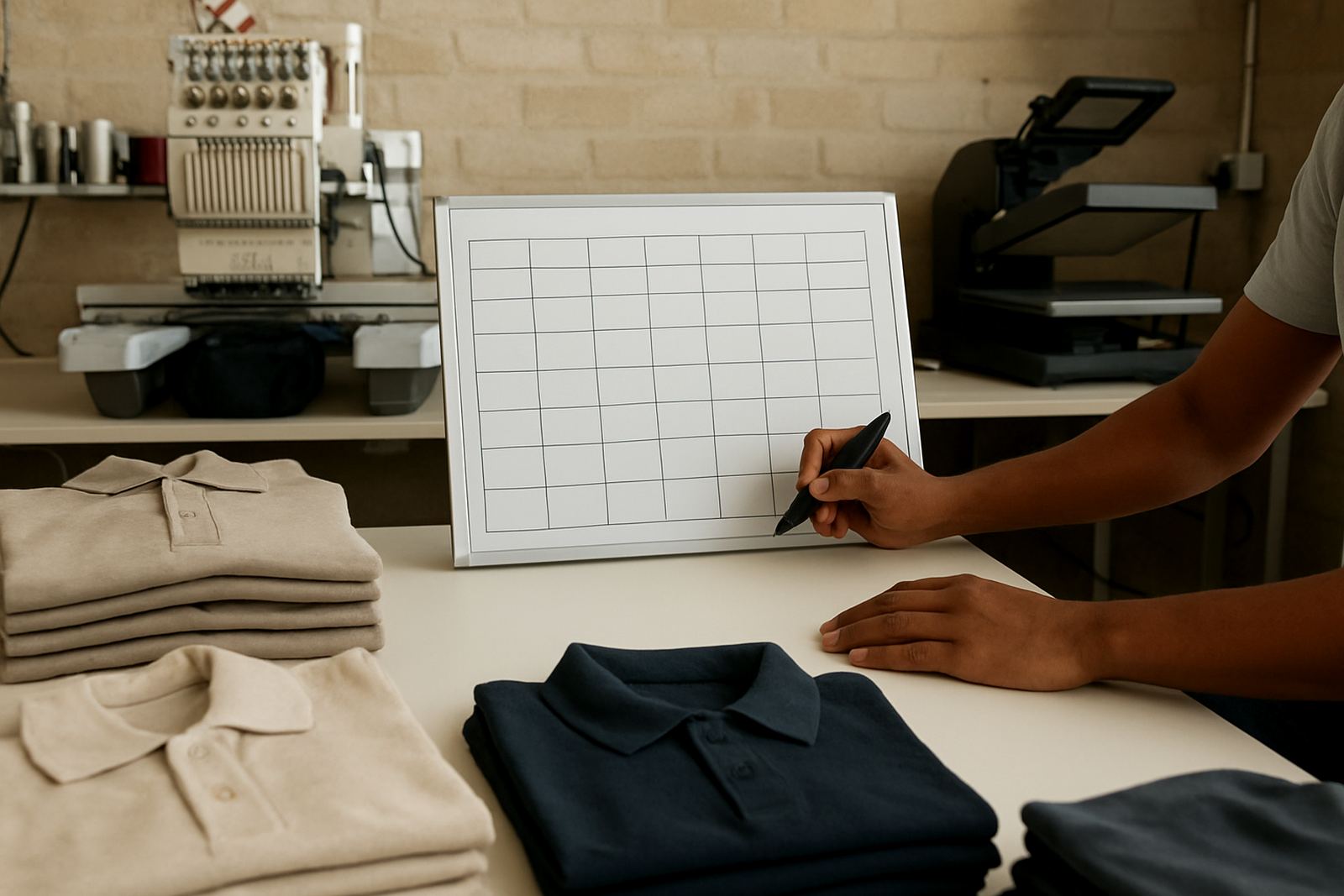
A proper rollout starts with a simple brand sheet that shows what each item should look like. Include shirt colour, logo size, embroidery or print method, sleeve branding if needed, and which items are for office staff, site teams or events. It saves time later and helps avoid back and forth when the order needs to move quickly.
- Set one approved logo version for embroidery and print
- Decide which garments are for daily wear and which are for events
- Keep the same colours across all branches where possible
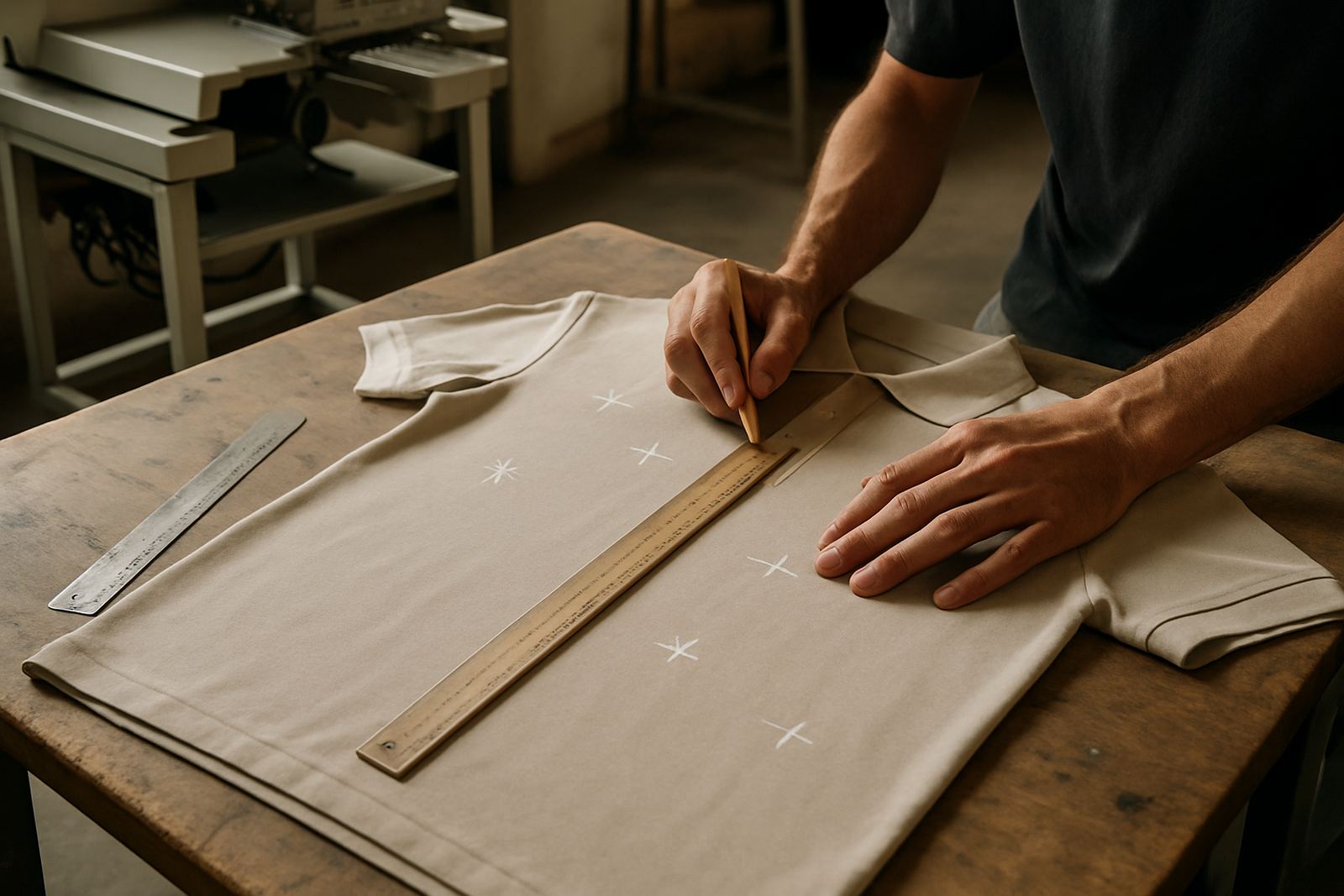
- Write down placement rules for chest, back and sleeves
Match the Garment To the Job, Not Just the Logo
A multi site rollout works best when the clothing suits the actual work being done. A golf shirt may be fine for front office staff, while a heavier shirt or overall is better for warehouse, delivery or field teams. In coastal areas like Durban North and Umhlanga, lighter fabrics can be more comfortable in heat and humidity, while in inland areas such as Pinetown and Hillcrest some teams prefer a slightly heavier knit that holds up well to regular washing.
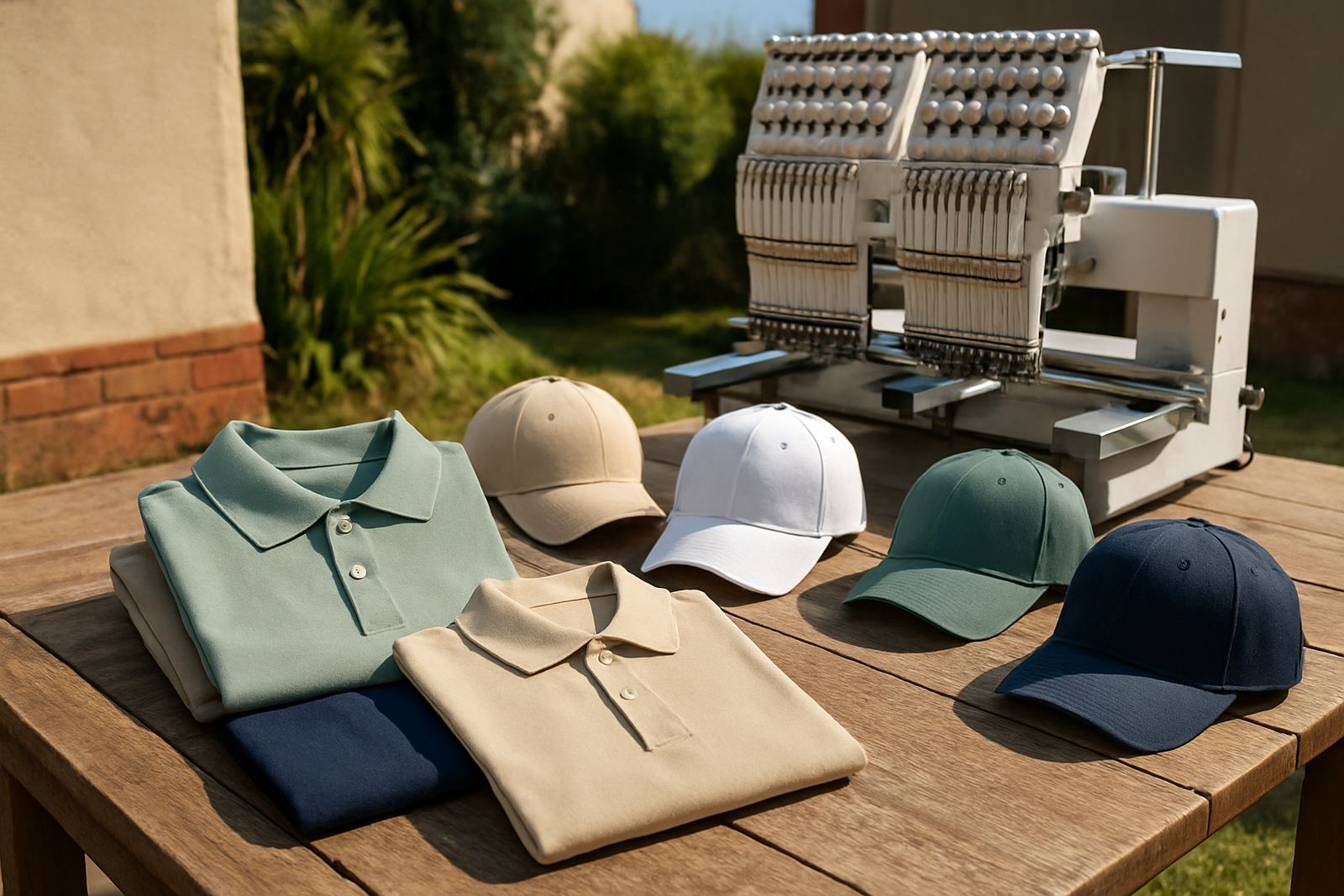
It is also worth thinking about load shedding and daily routines. If teams often start early, travel between sites or work outdoors, they need garments that look smart but still dry well and keep their shape. For schools and clubs, the same logic applies. A cap for sports days, a printed golf shirt for events, and an embroidered shirt for staff can all sit within one brand system without creating confusion.
- Use embroidered shirts for long term wear and a polished finish
- Use screen printing or heat press for larger graphics and campaigns
- Choose caps and promo items for events, open days and giveaways
- Keep one spare size run for urgent replacements
Plan Stock Per Branch So Reorders Stay Simple
When branded clothing is spread across several branches, stock control becomes just as important as the branding itself. The best approach is to give each site a minimum and maximum quantity for key items such as golf shirts, caps and jackets. That way one branch does not run dry while another holds too much stock in a cupboard for months. A central record is useful, but each manager should know their own issue levels too.
For many businesses, a simple monthly check is enough. Count what is on hand, what sizes are running low, and what must be reordered before the next campaign or staff intake. If you are opening a new site or growing a team, allow time for sample runs and artwork checks before placing a bulk order. It avoids the costly mistake of ordering 200 shirts and only noticing later that the wrong size split was approved.
- Keep size records by branch, not only total quantities
- Track fast moving items separately from special event stock
- Allow a buffer for new staff, damaged items and replacement needs
- Use one person to sign off reorders so nothing gets missed
Use Artwork Checks Before Anything Goes Into Production
One of the biggest causes of delays on a multi site rollout is poor artwork approval. A logo that works on a website may not look right on a shirt pocket or cap front. That is where proper artwork checks and logo digitising matter. If the embroidery file is not set correctly, the result can be too small, too dense or unclear once stitched. Printed items need the same attention so text stays legible and colours remain consistent.
For businesses across eThekwini, it helps to approve one master layout before production starts. This should cover the logo size, the position on each garment and any branch name or department wording. If different sites need slight variations, such as branch names on the sleeve or back, keep the layout structure the same so the whole group still looks like one team. A sample run can be very useful before a full order goes out, especially when there is a rush order or a big launch coming up.
Build A Rollout That Can Handle Rush Orders
Multi site work often has tight deadlines. A school may need shirts for a tournament, a corporate group may need uniforms before a client visit, or a retail team may need fresh stock for a new branch opening. When the order is spread across more than one location, speed matters even more because the packing list, size split and delivery details all have to be correct. A 24 hour turnaround can help in urgent cases, but only if the order information is complete from the start.
To keep rush work manageable, gather the basics early: item list, quantities, sizes, branch addresses, logo files and the required finish for each product. If one branch needs embroidery and another needs print, note that separately. The more organised the brief, the faster the job can move through digitising, production, packing and delivery. It sounds simple, but a clean order sheet saves a lot of phone calls later.
- Send one consolidated order for all branches
- Separate embroidery, print and promo item requirements clearly
- Confirm delivery points before production starts
- Keep a spare contact at each site for receiving stock
A Local Example From Durban North To Ballito
Consider a Durban North company with a head office, a sales team in Umhlanga and field staff in Ballito. The office team may need embroidered golf shirts and caps for client meetings, while the field team needs hard wearing shirts and a few promo items for site visits. If the branch names are added inconsistently, the result looks patchy. But if the company uses one standard logo set, one garment range and one size record, the rollout becomes much easier to manage.
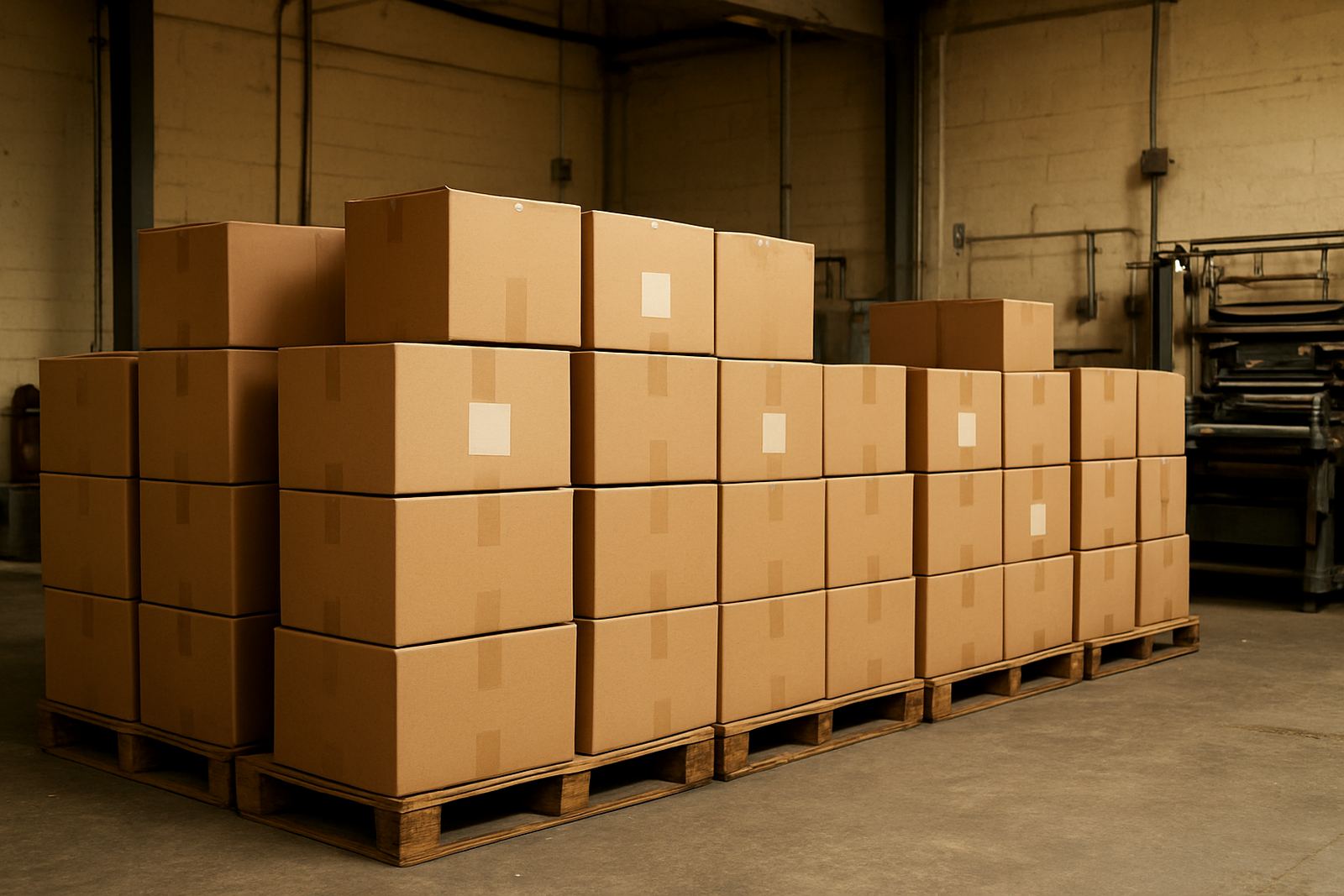
That is where a local supplier who understands eThekwini conditions can make a real difference. Coastal humidity, heavy washing, fast moving staff and mixed delivery points all affect the final result. A practical rollout plan is not only about branding, it is about making sure every branch can wear the same identity with confidence, from La Lucia to Mount Edgecombe and from Westville to Hillcrest. It also helps when stock must be packed and delivered to more than one site on the same day, because the labels, quantities and branch names are already in order.
For a business like EMB Designs, based in Durban North and working with businesses, clubs and schools across the region, the focus is on keeping the process simple and dependable. With in-house digitising, embroidery, printing, cap branding and bulk packing, a rollout can move from artwork to delivery without each branch chasing its own version. That saves time and keeps the look consistent, which is what a multi site rollout needs most.