Start with the purpose of the uniform
Before you choose colours or fabrics, decide what the clothing must do for your business. A front-of-house team in Umhlanga may need smart golf shirts and name badges for daily customer contact, while a workshop crew in Pinetown may need tougher garments that hold up to dust, heat and repeated washing. If you are opening a retail shop, salon, office or maintenance team, the uniform should suit the job first and the branding second.
It also helps to think about where your staff work. Coastal humidity in Durban North and Ballito can make thick fabrics uncomfortable, while outdoor teams in Westville or Hillcrest may need garments that dry quickly and stay neat through long shifts. If your team is spread across eThekwini, choose a style that looks the same across sites so your brand stays consistent.
Confirm the garments before you add the logo
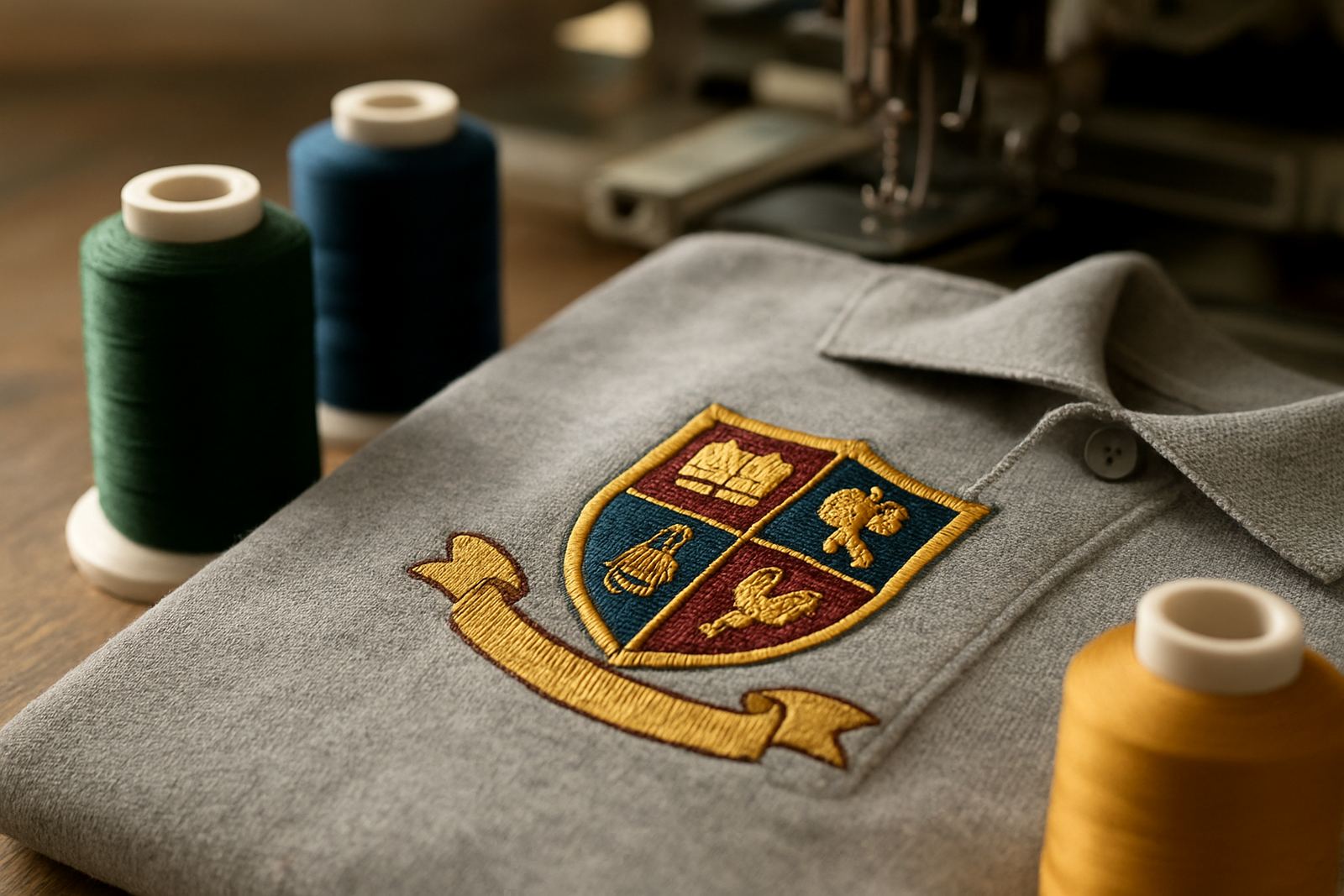
Many first-time orders go wrong because the business picks the branding before the clothing. That sounds minor, but fabric and print method matter. Embroidery works well on golf shirts, caps, jackets and corporate wear. Screen printing or heat press printing can suit promotional T shirts, event wear and some bulk items. If you need a clean, professional finish for a team of 5 or 50, it is worth matching the method to the garment and the budget.
Ask for the basics before you approve anything:
- Garment type, colour and fabric weight
- Sizes needed for each staff member
- Whether the item will be embroidered, printed or both
- How the logo will sit on the chest, sleeve or back
- Whether you need sample runs before the full batch
A small sample can save you from a costly mistake, especially if your logo has fine detail or small lettering.
Get sizes from the actual staff, not guesses
Size issues are one of the most common problems on first uniform orders. It is better to collect sizes from each person than to guess based on general averages. Even a simple team of 8 can end up with stock that does not fit properly if one person prefers a looser cut or another needs a larger size for layering. If you are ordering for a school support team, club staff or a mixed office team, this matters even more.
Use a simple list and check it twice. Include the person’s name, garment size, and quantity per item. If you are ordering golf shirts for a Durban North restaurant team, for example, you might need a mix of men’s and ladies’ fits, plus extra stock for new hires. Keep a little buffer if staff numbers are still changing.
- Names and surnames
- Shirt sizes and fit preferences
- Any caps, jackets or accessories needed
- Which staff need short sleeve or long sleeve options
- Whether uniforms are for daily wear or special occasions
Prepare your logo files and artwork early
Your logo needs to be clear and usable for the method you choose. Embroidery usually needs digitising, which means the artwork is converted into a stitch file that guides the machine. Clean artwork helps the process go faster and keeps the stitched result neat. If your logo only exists as a small image on a letterhead or WhatsApp screenshot, it may need attention before production can begin.
It is worth checking the spelling of your business name, slogan and contact details before approval. One missing letter on 30 shirts is expensive to fix. If you have a logo with thin lines, gradients or small text, the team should advise whether it will hold up well on caps, shirts or promo items. For first orders, simpler often works better.
Keep these items ready:
- High quality logo artwork, preferably in a clear vector format
- Brand colours or a sample of the exact shade if you have one
- Any wording that must appear under the logo
- Placement preferences, such as left chest or back yoke
- Approval from the person who signs off on branding
Plan quantities and the order of delivery
New businesses often start with a small uniform run, then add more stock once the team grows. That is sensible, but you still need enough quantity to keep everyone aligned. Decide whether you are ordering only staff wear or also caps, aprons, jackets and promotional items for launches or trade events. If you are running a business in Ballito or La Lucia and expect walk-in customer traffic, a neat branded look helps build trust quickly.
Think about replenishment too. If one person leaves and another joins, do you need spare sizes on hand? If the uniform is for a school or club, will you need more items later in the year? A simple stock plan makes reordering easier and avoids gaps when load-shedding or school calendars delay normal operations. It is wise to pack sets by size and label them clearly so distribution on site is quick.
Set your turnaround, budget and sign-off process
Once the details are sorted, be clear about your deadline and your budget. If you need a 24-hour turnaround for an event, opening day or urgent staff onboarding, say so early. That gives the production team a fair chance to confirm what can be done and what may need a slightly longer lead time. Rush orders are possible in many cases, but only if artwork, sizes and approval are ready.
Budget should cover the garment itself, the branding method, digitising if embroidery is required, and packing or delivery if needed. A proper sign-off process also helps. Choose one person to approve the final artwork and quantities, otherwise a team can send mixed instructions and slow everything down. In a first order, clarity is worth more than speed.
- Confirm your deadline before you place the order
- Approve artwork from one decision maker
- Check whether delivery is needed to your branch or site
- Allow time for sample approval on complex jobs
- Keep a small contingency in case sizes change
A local example from a first order in eThekwini
A new cleaning company based between Durban North and Umhlanga once needed uniforms for a small team starting work on the same week as a client launch. The owners had a logo, but not a clear size list or fabric choice. The team first confirmed the garments, then checked which staff needed golf shirts and which needed caps for outdoor work. After that, the logo was prepared for embroidery and the names were grouped for packing.
Because the details were ready early, the order moved smoothly and the uniforms arrived sorted by size. That saved the owners time on the morning of the launch and gave the team a neat, matched look from day one. For any new business, that is the real value of a first uniform order done properly: less confusion, fewer delays and a stronger first impression.
If you are starting up in Westville, Pinetown, Hillcrest or anywhere else across eThekwini, the same rule applies. Prepare the garments, sizes, logo files and deadline before you commit, and the whole job becomes far easier to manage.