Start with one clear look for every role
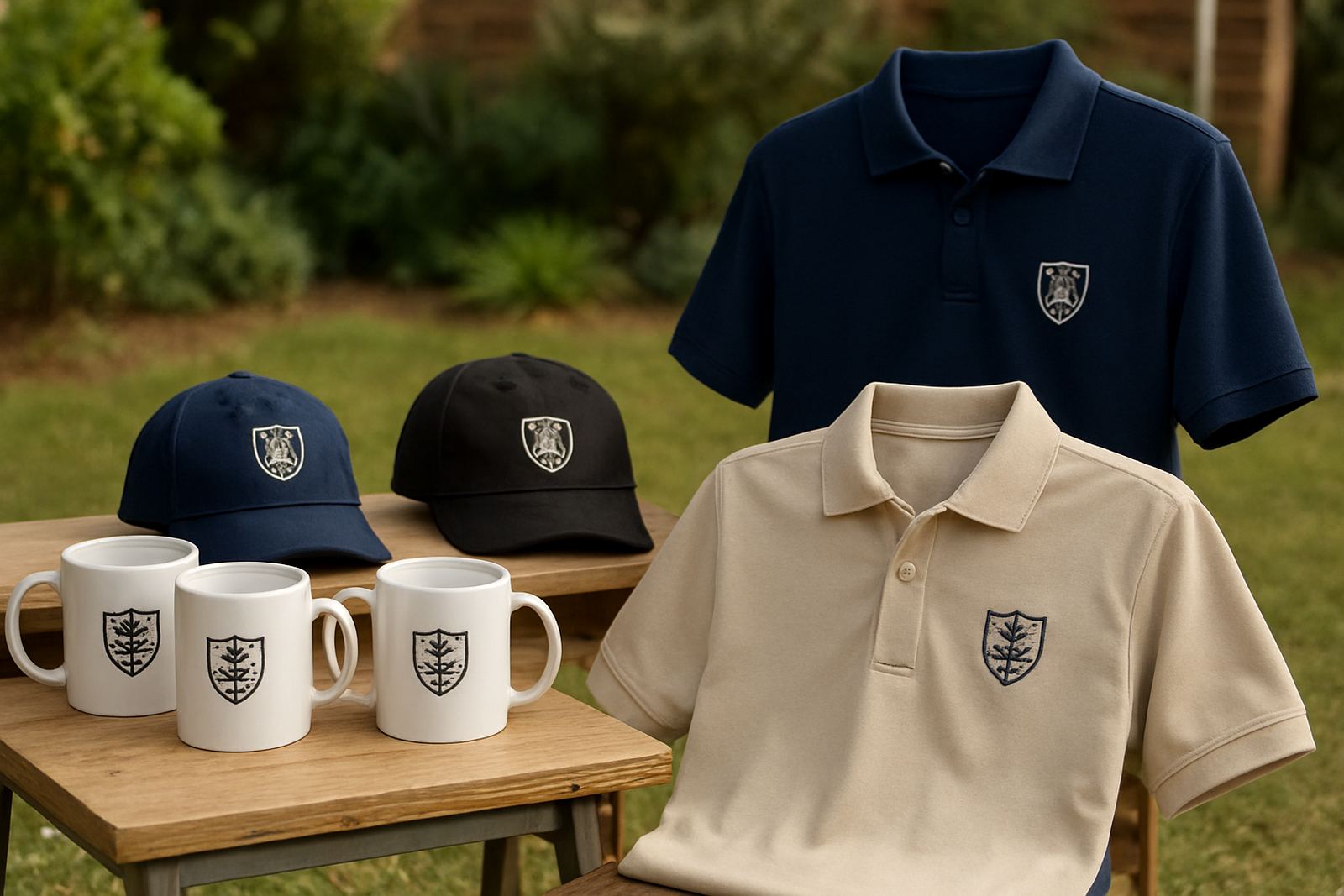
The biggest mistake smaller teams make is mixing too many garment types, colours and logo placements. When that happens, the team starts to look patched together, even if the branding itself is good. A better approach is to choose one base garment style for the group, then adjust only where needed for size, fit or work function.
For example, a reception team in Durban North might wear the same golf shirt in navy with a left chest logo, while store staff wear the same shirt with a name added. A club committee in Umhlanga may need the same shirt for meetings and events, but not every member needs a different colour. The result is neater, simpler and easier to manage when replacing a few pieces later.
- Pick one main colour and one accent colour
- Keep logo placement consistent across garments
- Use the same font style for names and titles
- Decide early if embroidery, print or both will be used
Choose branding methods that suit the garment and the job
Not every item needs the same decoration method. Embroidery works well on golf shirts, jackets, caps and heavier corporate wear because it looks smart and holds up well to regular washing. Screen printing and heat press printing are better for lighter garments, promotional wear and smaller runs where artwork may change from one order to the next.
If a small school in Westville wants branded golf shirts for staff and printed tees for an open day, it makes sense to use embroidery on the staff wear and print on the event shirts. That keeps the budget under control without making the full order look mismatched. The key is matching the method to how the garment will be worn, washed and handled.
- Embroidery suits long-term wear and heavier fabrics
- Printing suits lighter garments and artwork with more colour detail
- Caps usually need careful logo sizing and placement
- Mixed orders can still look uniform if the branding plan is consistent
Order by function, not by guesswork
Small teams often feel pressure to order more than they need because they worry about later top ups. That can tie up cash and leave spare stock in the wrong size. A better method is to count actual use first. If there are six staff who wear branded shirts daily and three who only need them for client meetings, the order should reflect that split.
It also helps to separate daily wear from event wear. Daily uniforms should be durable and easy to replace, while promotional clothing for launches, expos or one-off activations can be ordered in smaller numbers. This approach works well for businesses in Pinetown or Ballito that need to manage stock carefully and still look presentable on site, especially when load-shedding or busy schedules make last minute reordering difficult.
- Count who wears the item every day
- Keep a small reserve only for new starters or replacements
- Order event items separately from daily wear
- Use sample runs when testing a new garment or placement
Why clean artwork saves money on small runs
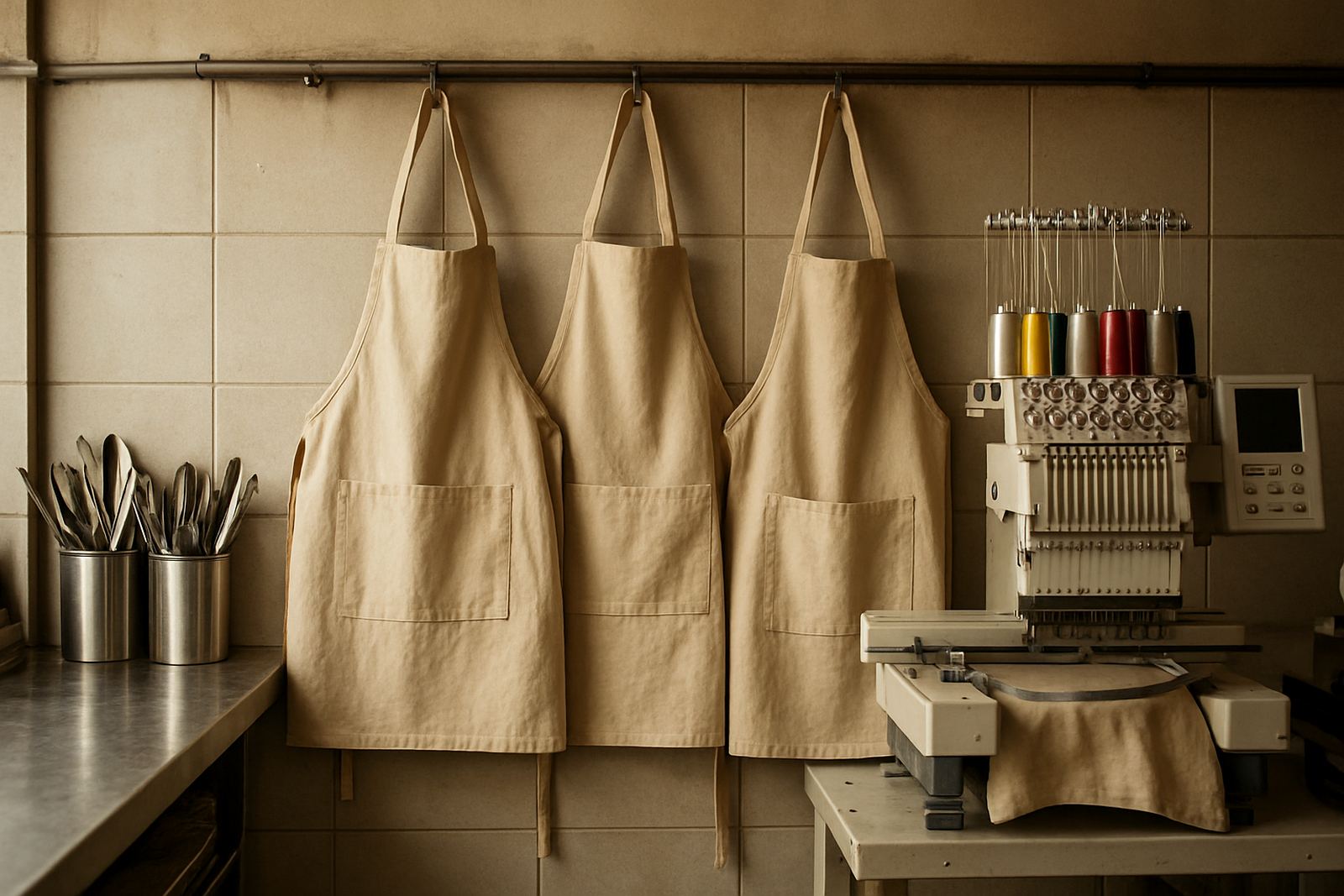
Smaller orders leave less room for artwork problems. If a logo is too detailed, too thin or poorly set up, it can cost more to fix than the branding itself. That is why logo digitising and artwork checks matter so much on compact orders. Good setup helps the stitching or print come out clean and keeps the result consistent from one shirt to the next.
For a small team, this can be the difference between an order that looks professional and one that needs rework. At EMB Designs, in-house digitising helps keep that process close to the production team, so logo sizing, stitch density and placement can be checked before the job moves ahead. That is especially useful when the same artwork must work on shirts, caps and promo items.
- Keep logos simple enough for small left chest placement
- Check spelling, titles and branch names before production
- Use the same artwork file for all garments where possible
- Ask for a sample run if the logo has fine detail
A Durban example: small team, big impression
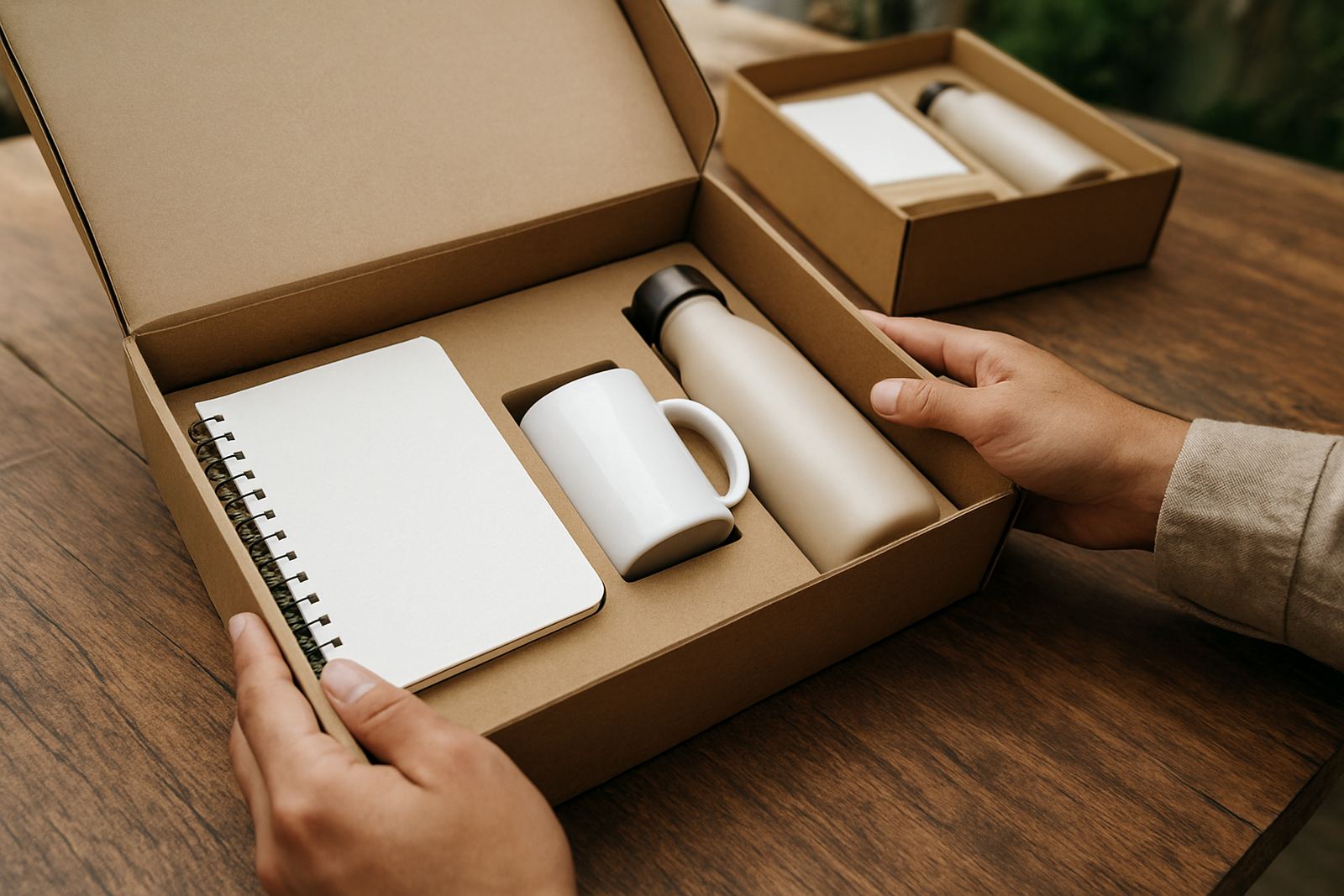
Consider a small property office in La Lucia with eight staff members and a few part time team members. They do not need a warehouse full of stock, just a tidy set of golf shirts, caps for site visits and a handful of promo items for client handovers. A simple navy and white combination, with embroidery on the shirts and caps, gives the whole team a unified look without overbuying.
The same approach suits schools, clubs and service teams across eThekwini. A sports club in Mount Edgecombe might order a compact run of branded shirts for committee members, then add printed tees later for a fund raiser. Because the base branding stays the same, the team still looks connected even when the order is split across different dates and item types.
For small teams, consistency comes from planning, not volume. When the colours, placement and garment choice are settled properly, even a modest order can make a strong impression.
How to keep reordering simple after the first batch
Once the first order has been delivered, the next challenge is keeping future top ups easy. The best way to do that is to keep a short record of the garment type, colour, logo size and decoration method used. That saves time when a new staff member joins or when a school, club or office needs a few extra items later on.
It also helps to choose a layout that works across sizes. A logo that sits well on medium and large shirts should also be checked on small sizes so it does not look crowded. For rush orders, having a settled spec makes it easier to produce the job quickly without losing consistency. Smaller teams often need that kind of flexibility, especially when a new event, opening or season arrives faster than expected.
- Keep the approved garment details on file
- Record the exact logo placement used
- Leave room for name additions if future staff need them
- Plan a small top up strategy instead of one large repeat order