
Start With the Artwork and Order Scope
The clock starts once we have your approved artwork, quantities, sizes and item list. For bulk work, the fastest jobs are the ones where the logo file is clear, the names are final, and the garment colours and sizing are confirmed before production begins. A lot of delays happen when the order is still changing after the quote has been accepted.
For embroidered and printed golf shirts, corporate wear, caps and promo items, we first check what needs logo digitising, what can go straight to production, and whether any item needs a sample run. If you are ordering for a branch team in Umhlanga, a school in Westville, or a club in Ballito, it helps to send one combined list instead of separate updates. That saves time and cuts down on back-and-forth. Even a small change like swapping a colour or adding one extra name can shift the whole schedule.
- Final logo artwork or a clear image of the logo
- Confirmed quantities per size and per item
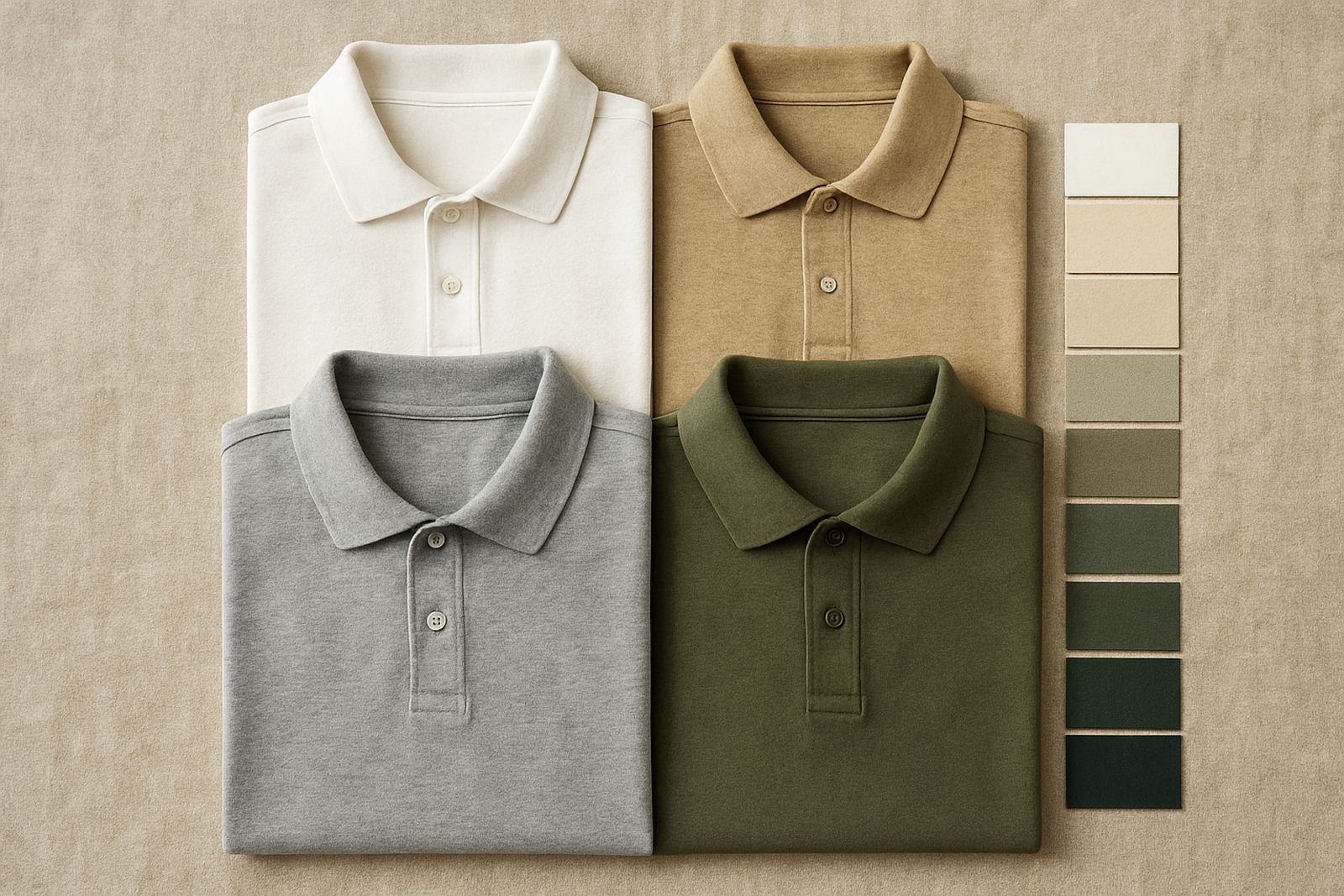
- Brand colours, garment colours and placement instructions
- Delivery area and any date the order must be ready by
Digitising and Artwork Checks Come First
If your logo has not been digitised before, this is usually the first production step. Digitising turns the artwork into a stitch file that the embroidery machines can read. It is a technical step, and it affects how the logo will sit on the garment, especially on thicker fabrics and caps. Artwork checks also happen here so that small text, fine lines and spacing are corrected before anything goes into production.
For printed items, the artwork is checked for sizing, alignment and colour clarity. On a bulk order, this stage can take a few hours or a day depending on how ready the files are. If the order is urgent and the artwork is already in good shape, it may be possible to move quickly. If the logo is low resolution or the text is too small, the approval stage takes longer and the rest of the job waits behind it.
- Logo digitising for embroidery
- Print file setup for screen printing or heat press
- Artwork checks for placement, size and colour matching
- Customer approval before production starts
Sample Runs Help Prevent Costly Mistakes
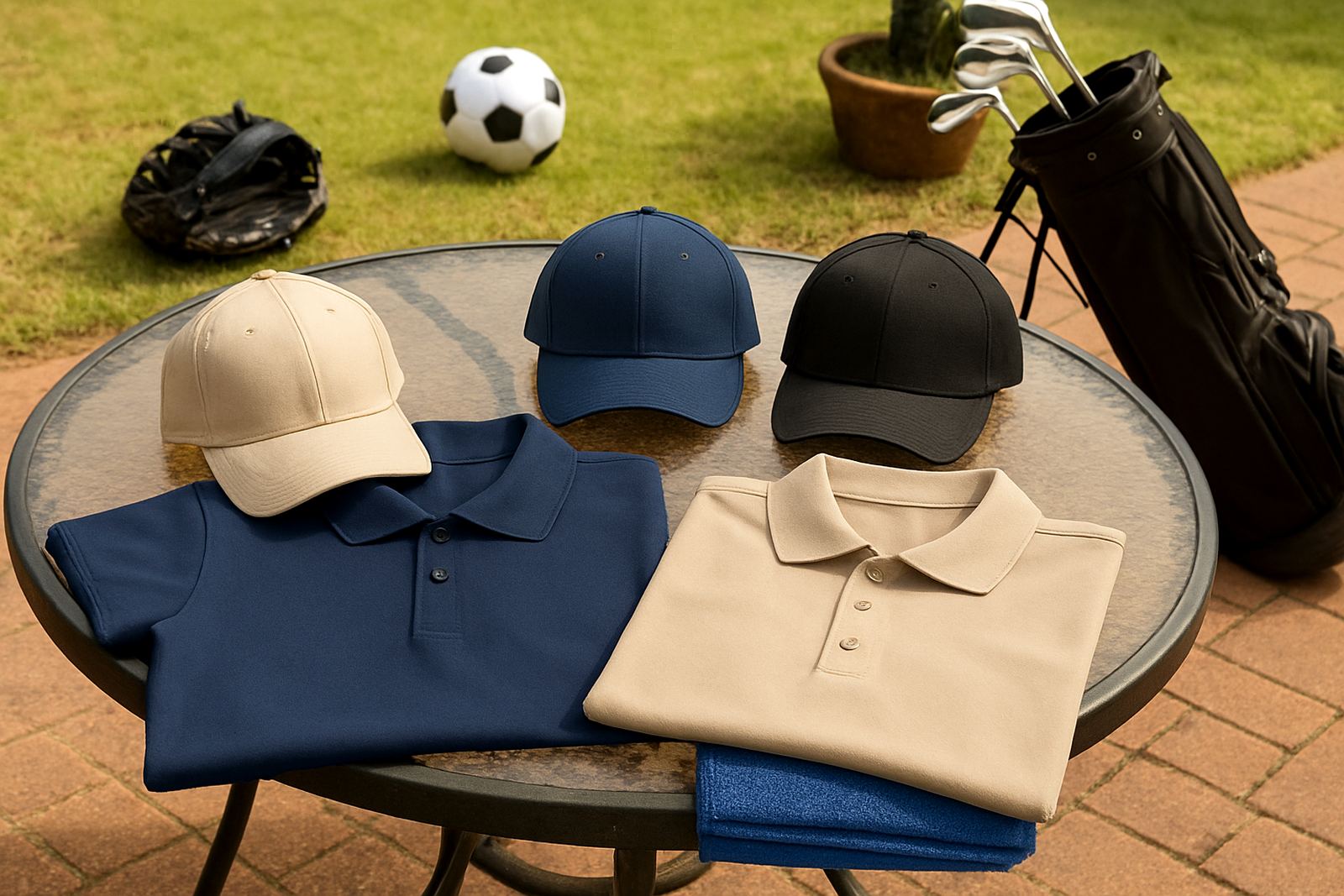
On larger orders, a sample run can save time later. This is especially useful where the order includes mixed items such as golf shirts, caps and fleece corporate wear, or where the branding must appear in more than one position. A sample helps confirm the stitch density, print position, size and overall look before the full batch is completed. It is a practical step, not a delay.
For school and club orders in places like Pinetown and Hillcrest, sample approval is often the point where the final go-ahead is given. It can take a bit longer upfront, but it reduces the chance of rework. That matters when you are packing dozens or hundreds of pieces and need them sorted by size and department. A sample run is also useful when the team wants to compare embroidery against print on the same garment type.
- Check one item before the full run begins
- Confirm thread colour or print placement
- Reduce rework on large batches
- Useful for mixed orders and new garment ranges
Production Timing Depends on the Decoration Method
The actual production stage depends on what kind of branding the order needs. Embroidery usually runs in organised batches once the files and garments are ready. Screen printing and heat press work to their own setup sequence, with drying or pressing time built in. If the order has several decoration methods, it will move through more than one production line and the timeline follows the slowest stage.
For example, a batch of embroidered golf shirts and printed promo items for a Durban North company will not always finish at the same time, because each process needs different setup and handling. If the order includes caps, there may also be separate hooping or alignment steps. Bigger orders are planned around machine time, drying time and packing time, not just the number of pieces. On humid coastal days, drying and curing can take a little longer, so we factor that in from the start.
Rush Orders Need Tight Control, Not Guesswork
Some jobs need a 24 hour turnaround, but only when the order is simple and the artwork is ready. Rush orders work best when the quantities are manageable and the branding is limited to one or two positions. If the job is large, has multiple garment types, or still needs approval, the timeline becomes tighter and the risk of error goes up. We would rather be honest about that than promise a date that cannot hold.
When a rush order is possible, the customer should be ready to approve artwork fast and keep changes to a minimum. In practice, that means sending the final logo, sizes and delivery details in one go. For businesses in eThekwini with last-minute expo dates or staff events, this can make the difference between getting uniforms on time and missing the handover. A rush order is not magic, it is simply good planning with fewer moving parts.
- Best for simple branding and final artwork
- Works better with one garment type or one print method
- Fast approval is essential
- Not every large order can safely be rushed
Packing, Sorting and Delivery Finish the Job
Once production is complete, the order moves into packing. This stage matters just as much as the branding because bulk orders need to arrive sorted and easy to hand out. We pack by size, department, branch or item type, depending on what was requested. If the order is going to a school, club or company with several locations, clear packing keeps distribution simple and avoids confusion on delivery day. Tiny details here make a big difference later.
For example, an order heading from Durban North to Westville, Umhlanga and Ballito may need separate packs for each team or branch. That saves the client time and avoids extra sorting on site. Packing also protects garments from dust and handling during transport, which is useful in coastal conditions. If delivery is required, the route and handover timing are planned after the order is packed and checked, not before.
A Local Example of a Realistic Bulk Timeline
Say a school sports department in La Lucia needs 120 embroidered golf shirts and 60 printed caps for a staff event. If the artwork is approved on Monday morning, digitising and artwork checks may happen the same day or by Tuesday depending on file quality. A sample run could be approved by Tuesday afternoon. Production might then move through Wednesday and Thursday, with packing and dispatch on Friday if there are no changes. That is a sensible timeline for a bigger order, not a rushed guess.
For a larger corporate order in Mount Edgecombe with mixed items and several sizes, the schedule can stretch a little longer because each garment type has its own setup and finishing stage. The important part is that every step is clear: approval first, production second, packing last. If the order is well prepared from the start, the whole process usually moves smoothly. If it is not, the timeline gets longer and more costly.
That is why bulk order timing is not just about machine speed. It is about how ready the order is when it lands, and how decisively the approvals are handled. The cleaner the brief, the better the turnaround. Simple as that.