
Start with the job the shirt has to do
Before you pick a colour or branding method, think about how the shirt will be worn. A golf shirt for a sales team in Umhlanga faces different demands from one worn by school staff, club volunteers or a crew working at a weekend expo in Ballito. Some orders need a neat corporate look for reception and client visits, while others need practical comfort for long days on the move.
For uniforms, the shirt must be presentable through a full day of work and still hold up after repeated washing. For promotions, it must look good enough to keep and wear again, because that is where your logo gets more value. In Durban North and along the coast, heat and humidity can make the wrong fabric feel heavy by lunch time, so the first decision should be about use, not just appearance.
Choose fabric that suits Durban weather
Durban weather asks a lot from clothing. Coastal humidity, summer heat and the odd sudden rain shower mean your golf shirts need to dry quickly and keep their shape. A good blend should breathe well and not cling when staff are moving between aircon and outdoor areas.
Common options are cotton-rich, polyester-rich or balanced blends. Cotton feels soft and familiar, while polyester generally holds colour better and dries faster. A balanced fabric often gives the best middle ground for uniforms because it is easier to wear daily and easier to maintain. For businesses in Westville, Pinetown and Hillcrest, where staff may spend time both indoors and outdoors, a practical blend can save a lot of complaints later.
- Ask how the fabric handles repeated washing.
- Check whether it is light enough for coastal conditions.
- Look at how it behaves under embroidery or print.
- Choose a fabric that suits your team’s daily movement, not only your brand colours.
Fit and cut matter more than most people think
A shirt can have excellent branding and still look wrong if the fit is poor. Too tight and it pulls across the chest or buttons. Too loose and it looks untidy, especially when worn by staff facing customers. The right cut should allow movement without hanging like a bag.
For corporate wear, a more structured fit often works well. For event teams, schools and clubs, a slightly relaxed fit can be better for comfort across different body shapes. It is worth asking about size runs early, including ladies and mens cuts if needed, so your order is practical from the start. If one team member is in a 2XL and another in a small, the sizing range must be planned properly or the final pack will be uneven.
In Durban North, a lot of clients choose golf shirts because they suit both formal and casual use. That makes the fit even more important. A shirt that works under a blazer one day and at a field day the next is often the best value.
Decide how the logo should appear
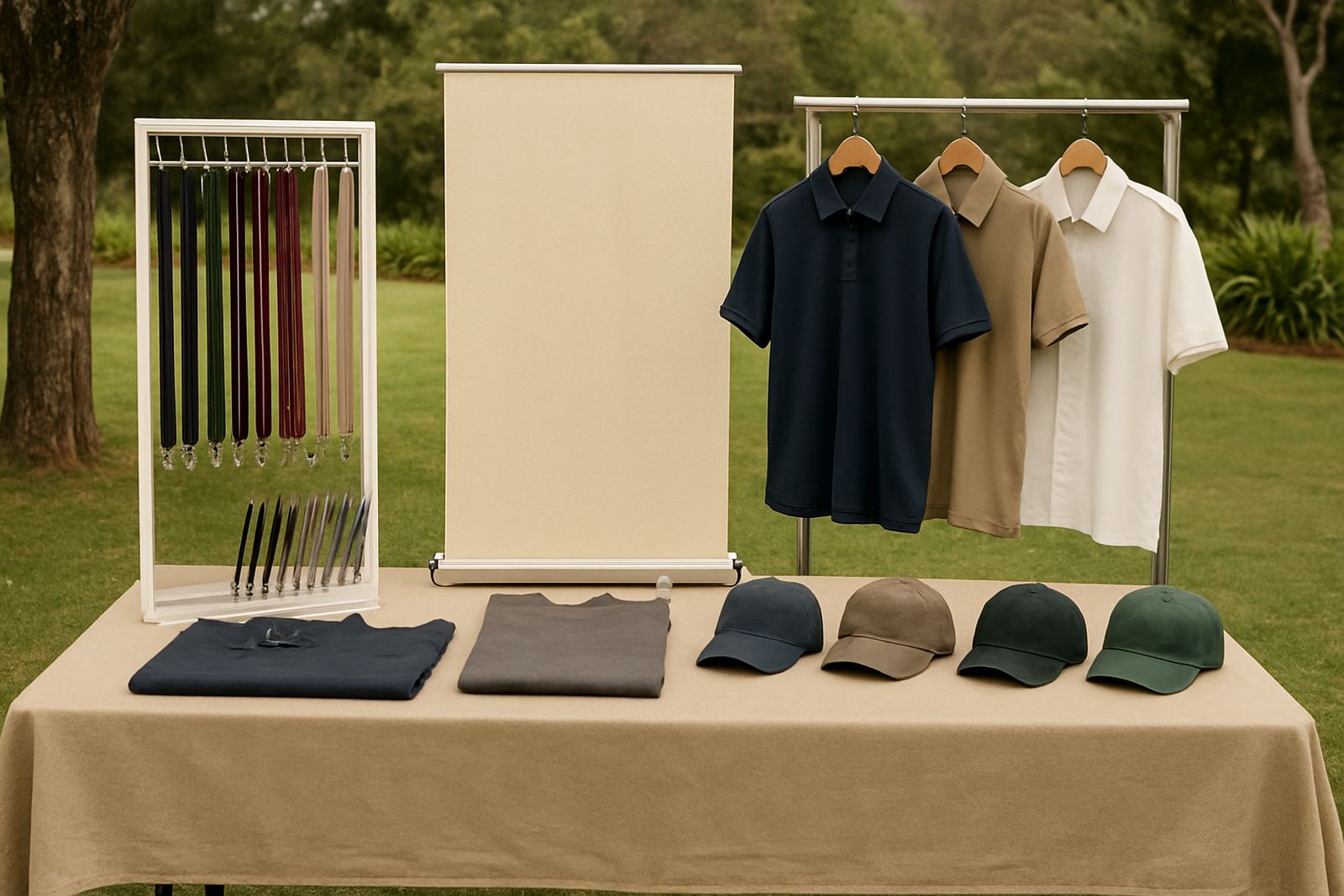
The branding method changes the whole feel of the shirt. Embroidery gives a raised, durable finish that suits most corporate uniforms and club wear. It works well on the left chest, sleeves and caps, and it gives a neat professional look. Printing can be better for larger logos, bold artwork or multi-colour designs that need more detail.
Some shirts need both. For example, a school may want a small embroidered crest and a printed sponsor mark on the back. A trades team may need a simple chest logo on the front and a larger brand message on the back for visibility. The key is matching the method to the fabric, the artwork and the use. Poor artwork can make even a good shirt look cheap, so artwork checks and logo digitising matter before production starts.
- Embroidery suits heavier branding and long wear.
- Screen printing suits larger flat areas and simpler artwork.
- Heat press printing can work well for smaller runs or varied names and numbers.
- Always confirm stitch count, print size and placement before the order starts.
Colour choices should work for your brand and your day-to-day use
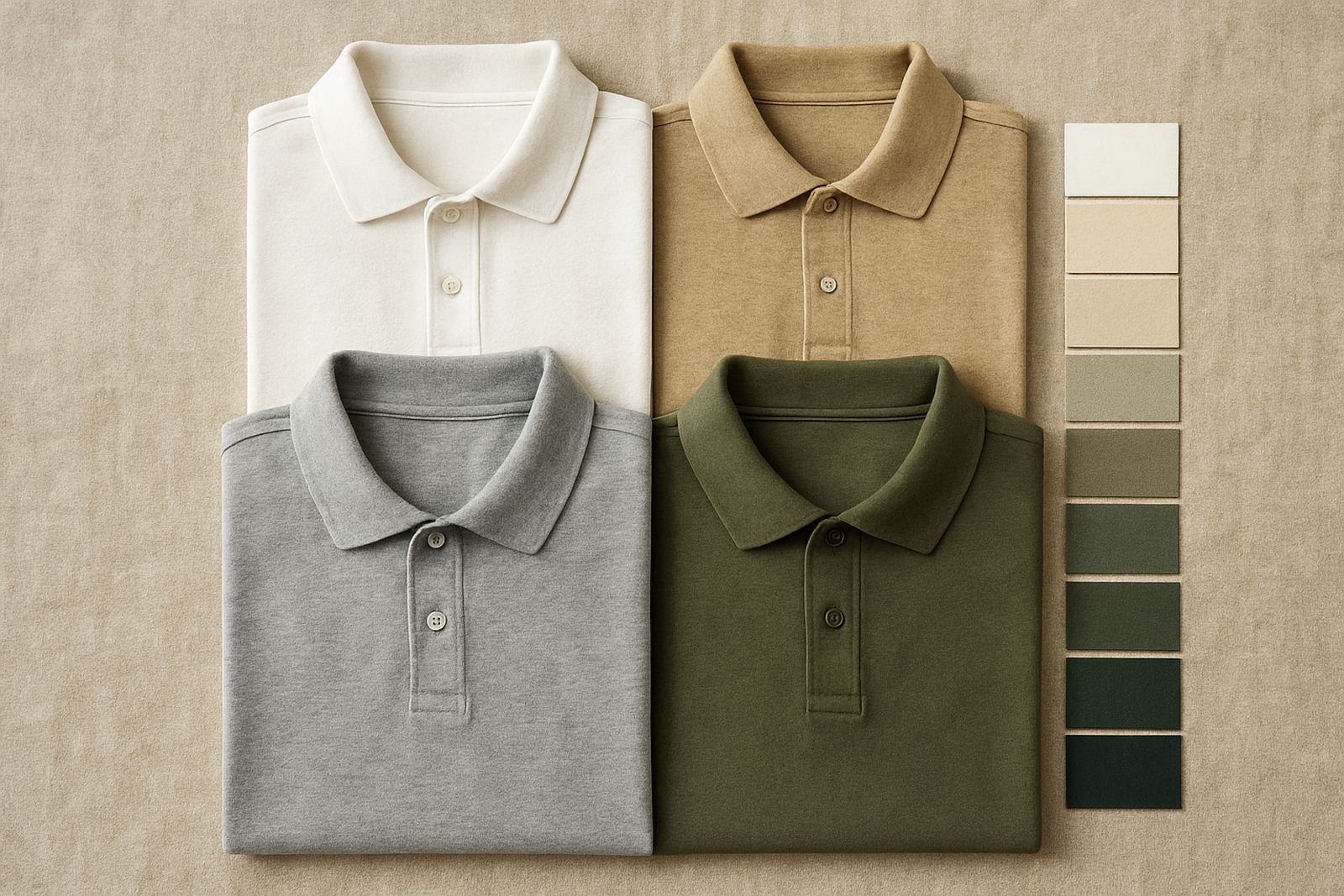
Colour is not only about matching a logo. It also affects how practical the shirt is. Light colours can feel cooler and look fresh, but they may show stains more easily. Dark colours can hide marks better, although they may feel warmer in full sun. Mid tones often offer a strong middle ground for staff who work in mixed conditions.
If your team is in customer-facing roles, choose colours that remain smart after washing and do not fade quickly. For clubs and schools, colour consistency matters across every batch, especially when orders are repeated through the year. In eThekwini, many organisations also choose colours that tie in with existing uniforms, signage or event branding so the shirt feels like part of the full identity rather than a one-off item.
When you are ordering for different branches such as La Lucia, Mount Edgecombe or Ballito, consistency helps the whole group look aligned, even if the order is packed in smaller lots for distribution.
Think about order size, turnaround and packing
Some golf shirt orders are straightforward, but others are time sensitive. A product launch, club tournament or school event may need a quick turnaround and careful packing by size. That is where clear planning saves time. If the branding is approved early and the artwork is clean, production can move much faster.
Bulk orders need special attention because the shirt choice affects stock availability, size splits and delivery timing. Uniform packs should also be packed in a way that makes distribution easy for the client. If a Durban North office needs shirts sorted per department, or a school wants each class boxed separately, that needs to be agreed upfront. It is the kind of detail that prevents confusion on delivery day.
Local delivery also helps when teams are based across Durban North, Umhlanga, Westville and Pinetown. A practical supplier should be able to guide you on what can be produced quickly and what needs a bit more lead time.
A local example: one golf shirt can serve many uses
Imagine a small business in Umhlanga that wants one shirt for client meetings, expo days and staff Fridays. The best option is usually a breathable mid-weight shirt in a brand colour that holds up well in the coastal climate. A small chest logo can be embroidered for a smart look, while a second print can be added for event use if required. That same shirt can then be ordered again later for new staff without changing the look of the team.
This is where practical advice matters more than flashy ideas. The right choice is not the most expensive shirt. It is the one that fits the wear pattern, the climate and the brand. For businesses, clubs and schools across Durban North and the wider eThekwini area, golf shirts remain a reliable option because they are comfortable, presentable and easy to standardise.
When the shirt works properly, your team looks coordinated and the brand stays visible. That is the point.