
What a Pull-Up Banner Does on Site
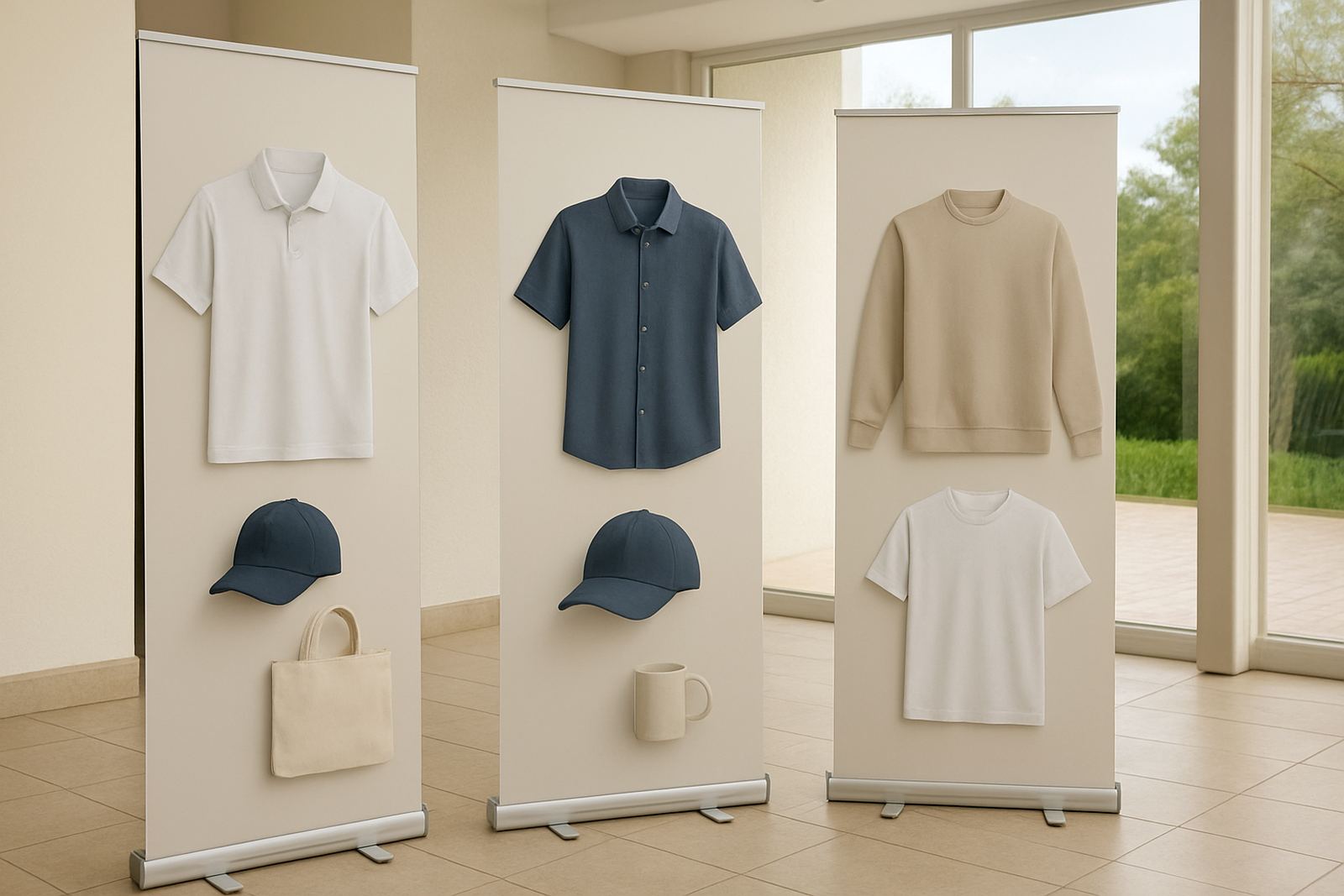
A pull-up banner is a freestanding display with a printed panel that retracts into an aluminium base. You lift the graphic up from the base, attach it to the support pole, and the banner stands ready without tools or wall fixing. That makes it useful for businesses that move between meetings, trade tables, expos and entrance areas in Durban North and across eThekwini.
For most clients, the real value is speed and order. A good banner keeps your logo, service message and contact details in one place, instead of relying on a busy counter or a wall with too much going on. It works well for first impressions, and it is easy to store between uses. If the banner is looked after properly, it can serve you for repeated campaigns, not just one event.
These displays are also handy when you need a temporary branded point at a venue that will not allow drilling, taping to painted walls, or fixing anything permanent. That is common in hotels, school halls and municipal spaces where rules can be strict.
Sizes, Bases and Print Finishes to Choose
Most pull-up banners are supplied in standard widths, with height usually around 2 metres. The most common sizes are 800 mm, 850 mm, 1000 mm and 1200 mm wide. Narrower banners suit reception corners and small counters, while wider banners give more room for product lists, school information or sponsor logos.
The base is normally made from aluminium with stabilising feet or a wide support leg. For indoor use, this is enough for steady placement on level flooring. If you are placing it in a breezy doorway or near an open entrance, a wider base or extra support can help. coastal humidity can affect the metal fittings over time, so it is worth choosing a finish that holds up in Durban conditions.
The printed graphic is usually produced on a banner film or similar display material with a matte or low-glare finish. That helps under bright fluorescent light and in venues with glass and reflected light. A matte finish also photographs better, which matters when the banner sits behind a registration table or product demo area.
- Standard size options: 800 mm, 850 mm, 1000 mm and 1200 mm wide
- Typical finished height: about 2000 mm
- Indoor base with retractable cassette mechanism
- Matte print finish to reduce glare under venue lighting
- Carry bag available for transport and storage
Where Pull-Up Banners Work Best
Pull-up banners suit places where people make quick decisions or queue for service. Reception areas, conference foyers, school open days, showroom entrances and retail promotions are all common uses. In Westville and Pinetown, we often see them used for office receptions, training rooms and product launches. In Ballito and Umhlanga, they are useful for hospitality counters, estate offices and seasonal promotions where the display needs to move easily.
They also work well at church events, sports days and club functions where organisers need clear branding without a bulky setup. If you are running a stand with limited floor space, a banner gives you height without taking much room. It can sit beside a table, behind a counter or next to a product display without blocking movement.
For schools and clubs, a pull-up banner is useful for sign-in counters, awards evenings and sponsor acknowledgements. For corporate clients, it can carry a welcome message, service summary, or a QR code pointing to a registration form. Keep the wording simple, because people often read it from a few metres away.
- Reception and foyer displays
- Conferences, seminars and expos
- Retail promotions and launch tables
- School events, sports days and fundraising functions
- Corporate entrances and temporary notices
Setting Up, Moving and Storing the Banner
No power or gas is needed for a pull-up banner, which is part of its appeal. Once the banner is printed and fitted, the display is completely manual. You place the base on a flat surface, extend the support pole, pull the graphic up carefully, and secure it at the top rail. It should take only a few minutes, and no tools are required. That makes it practical for busy teams with limited setup time.
Because it is portable, the banner can travel in a vehicle boot or with event equipment. The carry bag helps protect the base from scratches and dirt. If you are transporting several banners together, keep them upright or padded so the mechanism is not knocked around. A damaged cassette can affect how smoothly the graphic retracts.
In humid coastal areas, avoid leaving the banner in a hot car for long periods. Heat and damp can weaken the print edge or stress the retracting spring over time. After use, let the banner dry before packing it away if it has been exposed to rain, condensation or outdoor spray.
Care, Servicing and Reuse Between Events
Look after the print face as you would any clean branded surface. Wipe it gently with a soft dry cloth or a slightly damp cloth if needed. Do not use strong solvents, abrasive pads or high pressure cleaning. That can dull the finish or damage the artwork. If a banner is used often, it may collect fingerprints around the lower edge where people handle it.
The base mechanism should be checked now and then to make sure the graphic retracts evenly. If the spring is catching, or the top rail looks bent, it is better to sort that out before the next event. A small fault can become a bigger one if the banner is forced closed. For repeat users, keeping the banner in its case and storing it in a dry office or storeroom is usually enough.
If you are using a banner for long term campaigns, consider whether the wording may need updating later. It is often easier to print a new graphic panel and keep the base, rather than replacing the whole unit. That can save money and keep your display consistent across branches. Just make sure the old panel is removed cleanly so it does not curl at the edge.
What to Check Before You Order
Good ordering starts with the content. Check your logo, wording, spelling and contact details before approval, because a banner is usually read fast and at a distance. Keep the message short and clear. If you are including a website or QR code, test it first and make sure it still works on a phone screen. Small text can disappear in a busy venue, so less is often better.
You should also confirm where the banner will stand. Indoor flooring, ceiling height, lighting and foot traffic all affect the best size. If the space is narrow, a 850 mm banner may be the safer choice. If you need stronger presence at a large venue, a 1000 mm or 1200 mm banner gives more impact. Also check whether the venue needs a fire-rated display material, especially for conferences and school functions.
Before print, ask for artwork checks and sample runs if your message is sensitive or the event is high profile. That is useful when the banner must align with uniforms, printed flyers or other promo items. It also helps when several people are approving the final layout and nobody wants surprises on install day. A proper check saves time and avoids reprints, which can be costly.
- Confirm final size and available floor space
- Check logo clarity, spelling and contact details
- Ask for indoor or fire-safe material if the venue requires it
- Make sure any QR code, website or campaign message has been tested
- Decide whether you need one-off use or a banner for repeated events
Key facts
| Product type | Portable retractable pull-up banner |
|---|---|
| Common widths | 800 mm, 850 mm, 1000 mm, 1200 mm |
| Typical finished height | About 2000 mm |
| Base material | Aluminium cassette with support pole |
| Print finish | Matte or low-glare display finish |
| Power or gas requirement | None required |